
The Connection Between Gut Health and Mental Health
Introduction
Have you ever noticed how your mood shifts after eating certain foods? Science now confirms that your gut health plays a significant role in mental well-being. The gut-brain connection is a growing area of research that highlights how the bacteria in your digestive system influence emotions, cognitive function, and overall mental health. But how exactly does your diet impact your mood? Let’s explore the fascinating relationship between gut health and mental health.
Understanding the Gut-Brain Connection
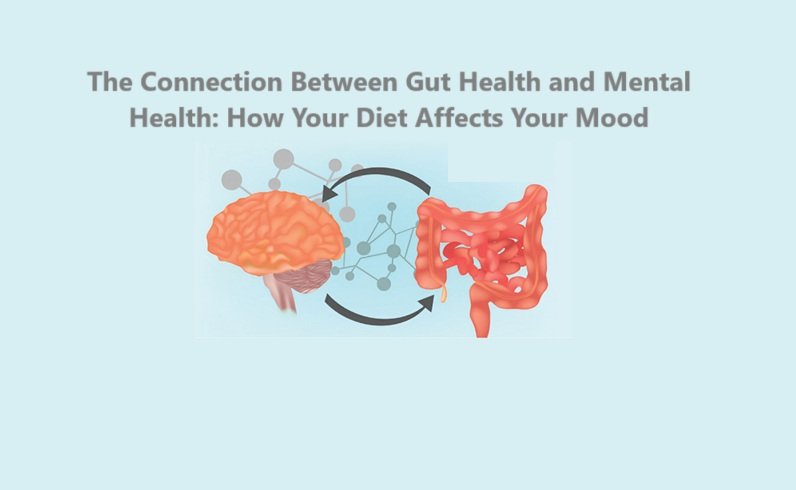
The gut and brain are intricately linked through the gut-brain axis, a bidirectional communication system involving:
- The vagus nerve, which sends signals between the gut and brain.
- Neurotransmitters like serotonin and dopamine, which are produced in large quantities in the gut.
- The microbiome, a complex ecosystem of bacteria that influences mental and physical health.
An imbalance in gut bacteria—known as dysbiosis—can lead to inflammation, mood swings, anxiety, and even depression. This highlights the importance of maintaining a healthy gut for optimal mental function.
How Diet Affects Your Mood
- Probiotics and Fermented Foods
- Foods like yogurt, kefir, sauerkraut, and kimchi contain beneficial bacteria that support gut flora.
- Regular consumption has been linked to lower stress and improved emotional resilience.
- Prebiotics: Fuel for Gut Bacteria
- Prebiotics, found in foods like garlic, onions, and bananas, help feed good bacteria.
- They enhance gut health, which in turn supports cognitive function and reduces anxiety.
- Omega-3 Fatty Acids
- Found in fatty fish, flaxseeds, and walnuts, omega-3s reduce inflammation and support brain health.
- Studies suggest omega-3 intake is linked to reduced risk of depression.
- Processed Foods and Sugar
- Diets high in sugar and processed foods can cause inflammation, which negatively affects brain function.
- Sugar spikes lead to energy crashes, mood swings, and an increased risk of mental health disorders.
- Polyphenols and Antioxidants
- Dark chocolate, berries, and green tea contain polyphenols that support brain function and reduce oxidative stress.
- These compounds promote healthy gut bacteria, leading to improved mood stability.
Signs Your Gut Might Be Affecting Your Mental Health
- Frequent bloating, constipation, or diarrhea
- Mood swings, anxiety, or depression
- Poor concentration and brain fog
- Chronic fatigue or low energy levels
Ways to Improve Gut and Mental Health
- Adopt a Whole-Foods Diet – Focus on natural, fiber-rich foods to nourish gut bacteria.
- Reduce Processed Foods – Limit artificial sweeteners, refined sugars, and preservatives.
- Stay Hydrated – Water supports digestion and overall gut health.
- Manage Stress – Practices like meditation, deep breathing, and exercise benefit both the gut and mind.
- Get Enough Sleep – Sleep disturbances can impact gut bacteria and mental well-being.
- Consider Probiotics – Supplements may help restore gut balance, but consult a healthcare provider first.
Conclusion
The saying “you are what you eat” takes on a deeper meaning when considering the gut-brain connection. A well-balanced diet rich in probiotics, fiber, and essential nutrients can positively impact both gut health and mental well-being. By making mindful dietary choices, you can support not only your digestive system but also your emotional and psychological resilience.
Would you like to try incorporating more gut-friendly foods into your diet? Start small, track your mood changes, and embrace the power of food for mental wellness!
