
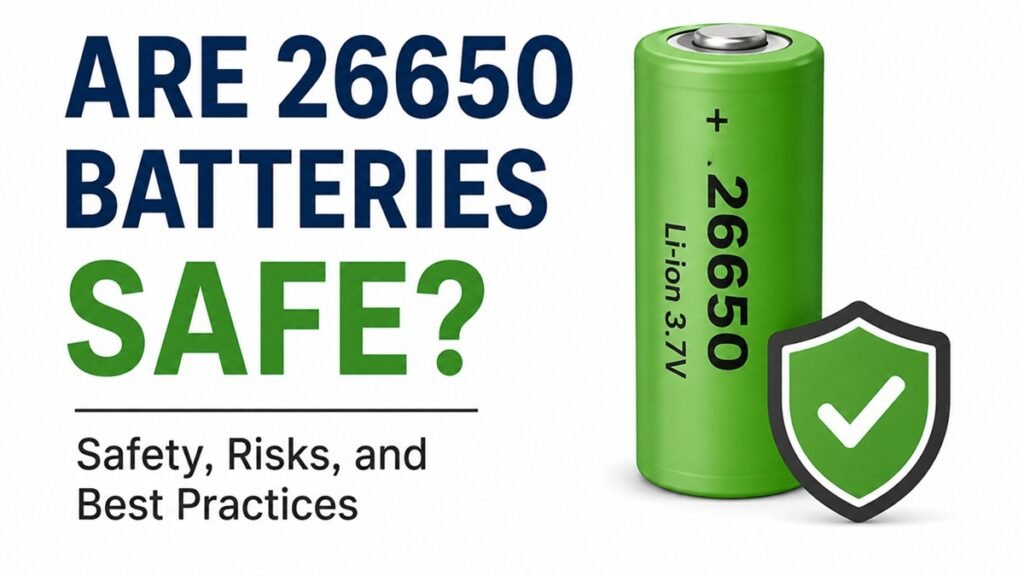
Are 26650 Batteries Safe?
The safety of 26650 batteries, including any other lithium-ion battery, is an issue that concerns users, especially to the fact that energy production is high and the scope of utilization is broadly applied in equipment like power tools, electric vehicles, and flashlights. Although the batteries do not necessarily pose a danger, e.g., a 26650 battery, they may cause a safety hazard when used, charged or handled inappropriately. These batteries and the overall risks involved in these batteries, safety measures in place to ensure accidents like fire, leakages and explosions are avoided, should be known. Well dealt with, 26650 batteries would be safe and reliable, but when they are not handled well, they may turn out to be risky devices.
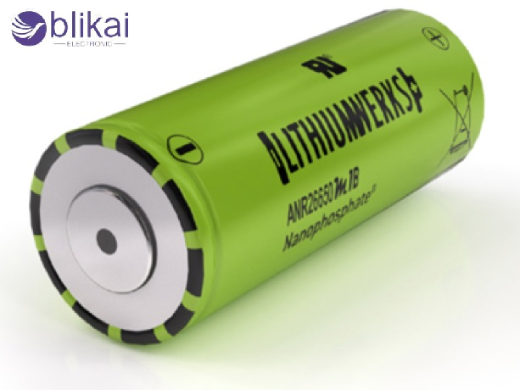
Critical Safety Issues around 26650 Batteries
Li-ion batteries such as 26650 may be a source of some risks when handled irresponsibly. Thermal runaway is one of the major hazards that can develop when the battery has become hot enough and begins to decompose chemically. This may result in an explosion or fire, particularly when the battery is exposed to high temperatures or overcharged or short-circuited. Overcharging is another possible issue that will result in internal battery damage and thus swelling, leaking of battery, or even bursting. Although batteries with 26650 normally have built-in safety measures like integrated circuits of protection, it is important to ensure that they are used with chargers that have voltage and current control to avoid such complications.
Eliminating Overheating and Overcharging
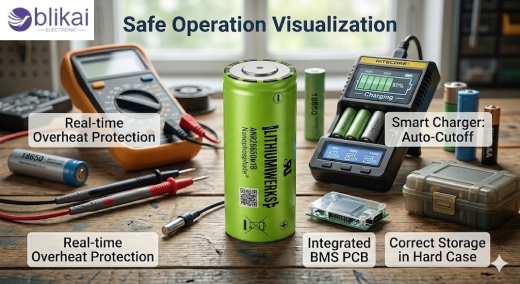
One of the crucial things in the safety of the 26650 batteries is to prevent the situation when the battery becomes overheated or overcharged. Excessive charging, charging at excessive voltage, or extreme temperature may result in overheating of the battery. The risks can be reduced with the help of smart chargers that apply to lithium-ion batteries and automatically regulate the rate of charging and voltage. One should also note that chargers designed by different manufacturers to be compatible with 26650 batteries or poorly constructed ones might not provide the protection features needed. Also, it is a good practice to check the temperature during the charging process- when the battery is hot to the touch, immediately stop charging and check the battery to determine whether it has been damaged.
Protecting Battery Circuits
The majority of the high-quality 26650 batteries have protection circuits that assist in providing safe operation. These circuits measure different parameters such as voltage, current and temperature to ensure that the circumstances are not favorable to causing hazardous situations. As an example, protection circuits may shut the power off in case the voltage on the battery is too low or too high, or the temperature is too high. Not every 26650 battery, however, has built-in protection circuits. So, it is important to consider, when buying such batteries, whether they have overcurrent, overcharge or over-discharge protection. An external battery management system (BMS) or a special charger with protection features are very important safety considerations in case the battery lacks the built-in protection.
Storage and Handling of 26650 Batteries
When 26650 batteries are correctly kept and treated, the chances of safety complications can be greatly minimized. The batteries are to be placed in a cool and dry area, disconnected from direct sunlight or extreme temperatures. When the battery is exposed to high temperatures, it may lead to an unstable battery, which leads to a higher chance of thermal runaway. Also, when using the battery terminals, there should never be a short circuiting, and this may create a dangerous situation. Battery cases or covers can be used to avoid accidental contact with metal objects that may result in the short-circuiting. Also, storage of batteries in full charge or discharge is not good and should be avoided during long periods of time because this would influence the overall health and performance of batteries.
Best Practices of 26650 Battery Usage Safety
In order to have safe usage of 26650 batteries, observe some general best practices. The battery must be utilized as it comes and must not be altered or taken to pieces. When putting a battery in a device, make sure that the device you are using can take the 26650 battery and also that the device you are using does not overwork the battery. To be safe, it is advisable that when charging, they should only use chargers that the manufacturer of the battery recommends, or one can be certain that the chargers can be used with a 26650 battery. No, please do not leave the battery to charge overnight or without anyone being present, as this may cause the battery to cease charging or come to a halt in the charging process. Other key information is not to use or charge a swollen battery, a damaged or corroded battery is another important information that will cause internal complications, which may prove to be dangerous.
Conclusion
On the whole, 26650 batteries are safe during their use with due care and precautions. They are normally used in high-performance applications, and they have been provided with safety measures like protection circuits to decrease them. However, they are also to be treated carefully as any other lithium-ion battery may be dangerous when overheated, overcharged, or short-circuited. A combination of the choice of the charger, the control of the battery temperature when it is used, and adherence to the best practices in storage and handling will help you dispel the possibility of accidents to a large extent. It is always good to be wary and appreciative of the ability that these batteries have in order to have a safe and lasting experience.
