
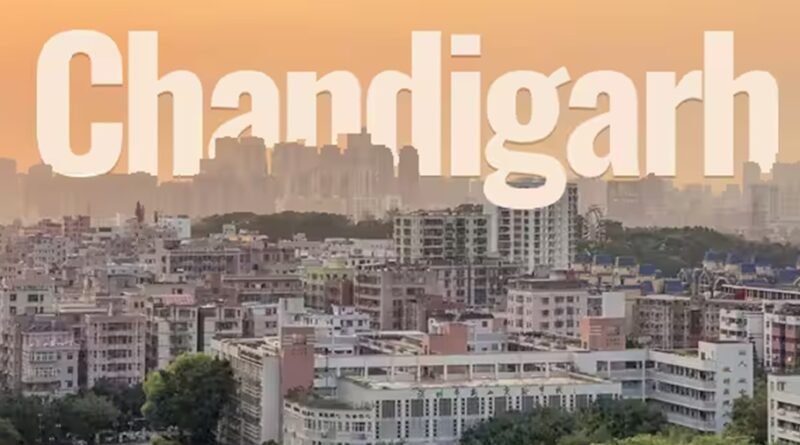
Chandigarh: A Comprehensive Overview
Chandigarh, often referred to as “The City Beautiful,” is one of India’s most unique urban creations. Nestled in the foothills
Read More
Chandigarh, often referred to as “The City Beautiful,” is one of India’s most unique urban creations. Nestled in the foothills
Read More
Goa is the only state in India where a form of the Uniform Civil Code (UCC) exists, governing personal laws
Read More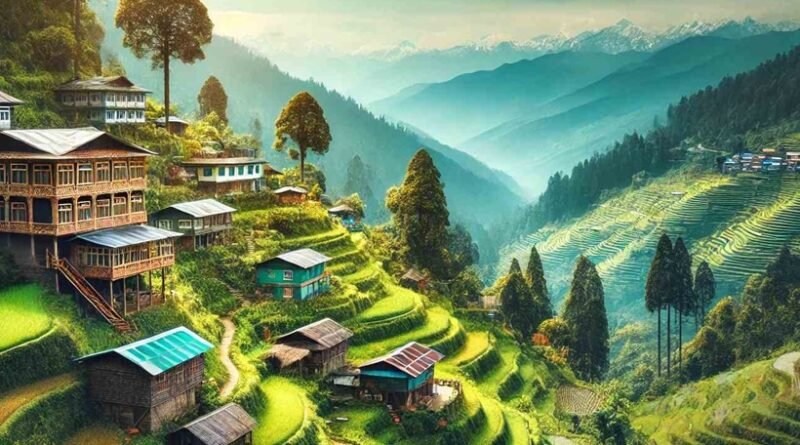
Sikkim, the small Himalayan state in northeastern India, holds a unique position in the Indian tax framework due to its
Read More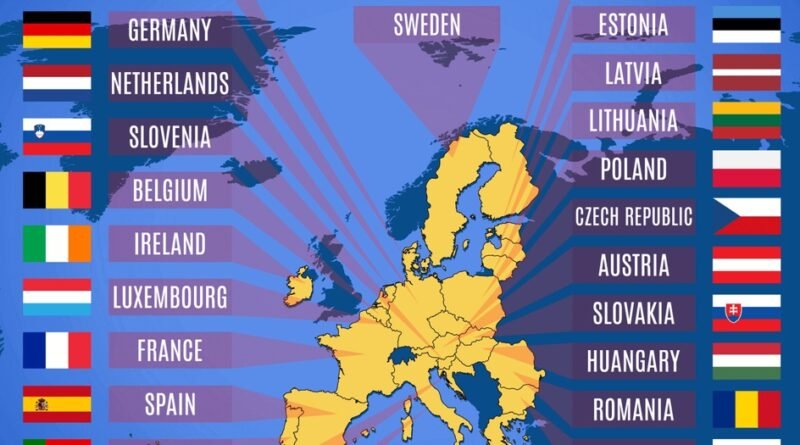
The Schengen Area is one of the most significant achievements of European integration, allowing for seamless travel across member states
Read More
India has long been advocating for a permanent seat at the United Nations Security Council (UNSC), citing its growing global
Read More
The United Nations Security Council (UNSC) is one of the six principal organs of the United Nations (UN) and plays
Read More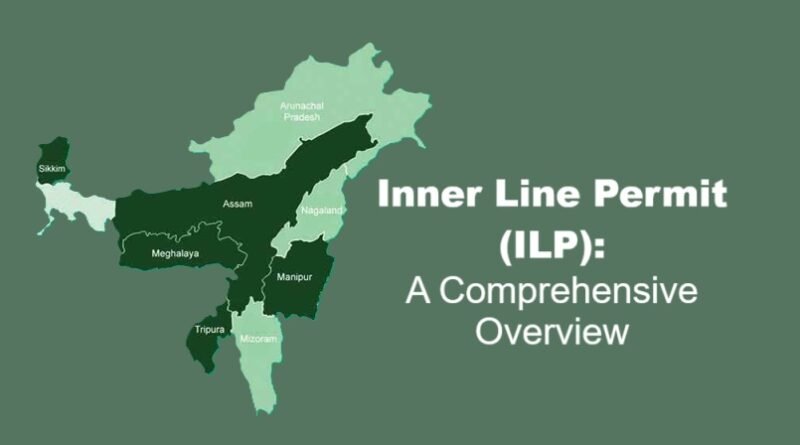
The Inner Line Permit (ILP) is a significant legal document required by Indian citizens to enter specific restricted areas in
Read More
The North-East Region of India, comprising the “Seven Sisters” states (Arunachal Pradesh, Assam, Manipur, Meghalaya, Mizoram, Nagaland, and Tripura) and
Read More
What is Ayushman Bharat? Ayushman Bharat is a flagship healthcare initiative launched by the Government of India with the aim
Read More
The Aryan Invasion Theory suggests that around 1500 BCE, a group of Indo-European-speaking nomads, referred to as “Aryans,” invaded or
Read More