
CDAC: Pioneering India’s Digital Transformation
The Centre for Development of Advanced Computing (CDAC) is a premier organization in India driving innovation in advanced computing and
Read More
The Centre for Development of Advanced Computing (CDAC) is a premier organization in India driving innovation in advanced computing and
Read More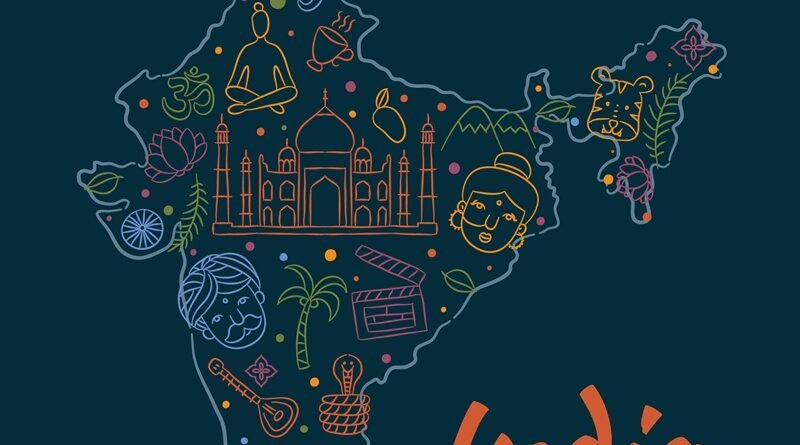
India, known as Bharat in its constitutional nomenclature, has embraced digital innovation to enhance democracy, governance, and public administration. Leveraging
Read More
The Indian Parliament plays a crucial role in the functioning of the world’s largest democracy. It is the supreme legislative
Read More
The Constitution of India and its subsequent amendments provide specific guidelines on the composition and maximum number of ministers in
Read More
The Council of Ministers is a crucial part of the executive branch of the Indian government, tasked with assisting and
Read More
The Prime Minister of India is the head of government and the most powerful figure in the country’s political system.
Read More
The Attorney-General for India is one of the most important legal offices in the country, directly related to the legal
Read More
The Vice President of India is a unique and significant constitutional office. Although the office is often perceived as largely
Read More
The Indian Constitution, adopted in 1950, stands as a remarkable document encapsulating the essence of democracy, justice, equality, and fraternity.
Read More
The “Right to Property” in India once held a pivotal position as a fundamental right enshrined in the Constitution of
Read More