
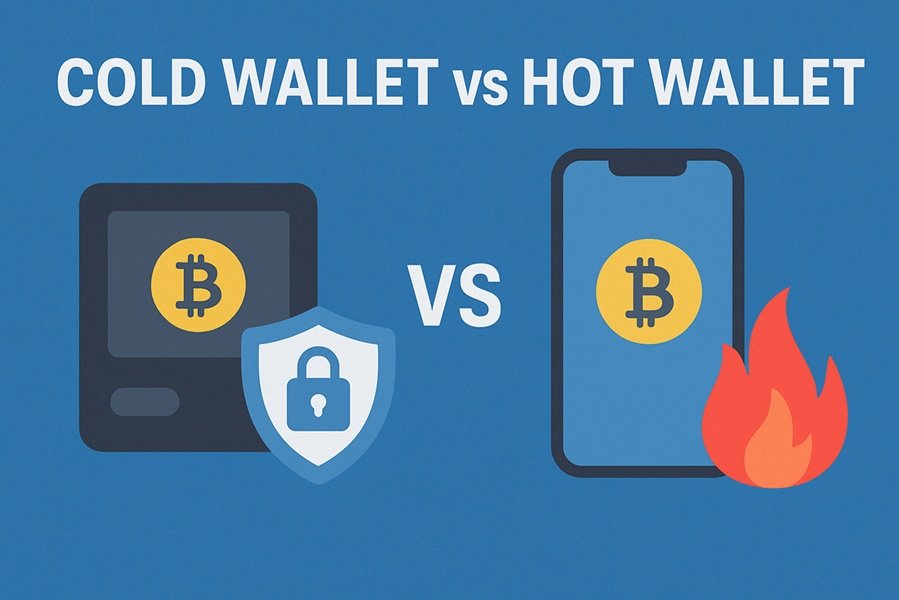
Cold Wallet vs. Hot Wallet in Crypto: A Complete Guide for Secure Cryptocurrency Storage
Introduction
In the world of cryptocurrency, security is paramount. As digital assets gain mainstream adoption, protecting your crypto holdings from theft, hacking, or accidental loss becomes increasingly crucial. One of the fundamental decisions every crypto investor must make is how to store their cryptocurrencies — through a hot wallet or a cold wallet.
While both serve the same purpose — to store your digital assets — they differ drastically in their connection to the internet, security levels, and usability. In this article, we’ll dive deep into Cold Wallets vs. Hot Wallets, their types, pros and cons, and which one is best suited for your crypto journey.
What is a Crypto Wallet?
A crypto wallet is a digital tool that allows users to store, send, and receive cryptocurrencies securely. Instead of holding physical coins, it stores your private keys — cryptographic codes that give you access to your funds on the blockchain.
There are two main categories of crypto wallets:
- Hot Wallets – connected to the internet.
- Cold Wallets – stored offline, away from the internet.
Both play a key role in the crypto ecosystem, but their use depends on your security priorities and investment strategy.
Read this: Blockchain and Cryptocurrency: The Foundation of the Decentralized Future
What is a Hot Wallet?
A hot wallet is a cryptocurrency wallet that is connected to the internet. It allows users to quickly and easily access, trade, and transfer cryptocurrencies.
Types of Hot Wallets:
- Web Wallets – Hosted by exchanges (like Binance, Coinbase, or WazirX). Accessible via browser.
- Mobile Wallets – Installed on smartphones (e.g., Trust Wallet, MetaMask, Exodus Mobile).
- Desktop Wallets – Software installed on your computer (e.g., Electrum, Exodus, Atomic Wallet).
How Hot Wallets Work
Hot wallets generate and store private keys online. When you initiate a transaction, these keys are used to sign and broadcast it to the blockchain. This online connectivity makes hot wallets fast and convenient but more vulnerable to cyberattacks.
Advantages of Hot Wallets
✅ Instant Access & Convenience:
Ideal for active traders and investors who need to move funds frequently.
✅ User-Friendly Interface:
Hot wallets usually have sleek, easy-to-use interfaces designed for beginners.
✅ Free or Low Cost:
Most hot wallets are free to download and use, with minimal transaction fees.
✅ Integration with DeFi & DApps:
They can easily connect to decentralized exchanges (DEXs), NFT platforms, and decentralized finance (DeFi) apps like Uniswap, PancakeSwap, or OpenSea.
Disadvantages of Hot Wallets
❌ High Security Risk:
Being connected to the internet makes them vulnerable to hacks, malware, and phishing attacks.
❌ Custodial Control (in Exchange Wallets):
If your crypto is stored in an exchange wallet, you don’t hold the private keys — the exchange does. (“Not your keys, not your coins.”)
❌ Limited Offline Protection:
If your device is compromised, you could lose access to your funds permanently.
What is a Cold Wallet?
A cold wallet (also known as cold storage) is a cryptocurrency wallet that is completely offline, meaning it does not have an active internet connection. This isolation from the web provides maximum security against online threats.
Types of Cold Wallets:
- Hardware Wallets – Physical devices that store private keys offline (e.g., Ledger Nano X, Trezor Model T).
- Paper Wallets – Printed QR codes containing your private and public keys.
- Air-Gapped Computers/Devices – Systems permanently disconnected from the internet used solely for crypto transactions.
How Cold Wallets Work
Cold wallets store your private keys offline, often requiring physical confirmation (like pressing a button on a hardware wallet) to approve transactions. Transactions are signed offline and then broadcast through an internet-connected device, keeping your keys secure.
Advantages of Cold Wallets
✅ Maximum Security:
Cold wallets are immune to online hacking attempts since they never connect directly to the internet.
✅ Full Ownership of Private Keys:
You maintain complete control of your crypto assets.
✅ Ideal for Long-Term Holders (HODLers):
Perfect for those who want to store large amounts of crypto for months or years without trading frequently.
✅ Resistant to Phishing Attacks:
Cold wallets are not susceptible to malicious links or fake websites.
Disadvantages of Cold Wallets
❌ Less Convenient:
They require manual connection and signing, making them slower for frequent transactions.
❌ Cost:
Hardware wallets can be expensive (ranging from $70 to $300).
❌ Physical Damage or Loss:
If a hardware or paper wallet is damaged or lost, and no backup exists, you may lose your crypto forever.
❌ Complex Setup for Beginners:
Requires understanding of wallet recovery, seed phrases, and device management.
Cold Wallet vs. Hot Wallet: A Detailed Comparison
| Feature | Hot Wallet | Cold Wallet |
|---|---|---|
| Internet Connection | Always connected | Completely offline |
| Security Level | Moderate | Very High |
| Accessibility | Instant and easy | Requires manual connection |
| Ideal for | Daily trading, DeFi users | Long-term storage |
| Private Key Control | Online or custodial | Fully offline and self-controlled |
| Setup Cost | Usually free | Paid (hardware wallets) |
| Risk of Hacking | High | Extremely low |
| Examples | MetaMask, Trust Wallet, Coinbase Wallet | Ledger, Trezor, Paper Wallet |
Which One Should You Choose?
The answer depends on how you use your cryptocurrency:
- If you trade frequently or use DeFi platforms:
A hot wallet offers convenience and speed. Use trusted wallets with two-factor authentication (2FA) and always keep software updated. - If you’re a long-term investor (HODLer):
A cold wallet is the safest choice. Store your recovery seed phrase securely and keep backups in multiple physical locations.
Many experienced users use a hybrid strategy:
- Keep a small amount of crypto in a hot wallet for daily use.
- Store the bulk of your holdings in a cold wallet for long-term safety.
Security Tips for Both Wallets
- Use Strong Passwords and 2FA.
- Keep your recovery seed phrase offline and private.
- Avoid using public Wi-Fi for transactions.
- Regularly update your wallet software or firmware.
- Do not share your private keys with anyone.
- Use hardware wallets purchased only from official sources.
Conclusion
Both cold wallets and hot wallets play vital roles in the crypto ecosystem. The choice between them depends on your priorities — security vs. convenience.
For traders, hot wallets are indispensable due to their accessibility. For long-term investors and institutions, cold wallets provide peace of mind and robust protection. Ultimately, combining both in a balanced storage strategy ensures maximum flexibility and safety in managing your digital assets.
