
Form 15G & Form 15H: Usage and Eligibility for TDS in India
Tax Deducted at Source (TDS) is a mechanism by which the government collects tax at the source of income. While
Read MoreGet expert insights on money management, investments, budgeting, and financial planning.
Disclaimer: This blog/Website is for educational purposes only and not investment advice. The securities mentioned are just examples, not recommendations. Do your own research before making any investment decisions.
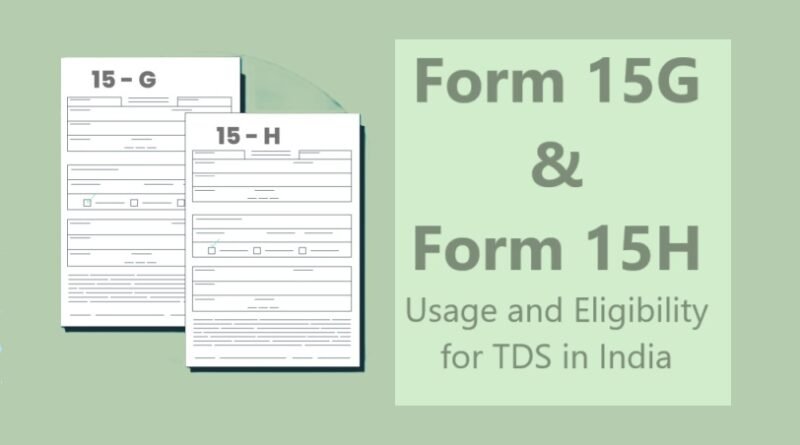
Tax Deducted at Source (TDS) is a mechanism by which the government collects tax at the source of income. While
Read More
Foreign exchange reserves are a critical component of a nation’s financial stability and economic health. These reserves, held by a
Read More
The Public Provident Fund (PPF) is one of the most popular long-term savings schemes in India, known for its tax
Read More
Equity Linked Savings Schemes (ELSS) are one of the most popular investment options for individuals seeking to save taxes under
Read More
Government securities (G-Secs) are debt instruments issued by the central or state governments to borrow money from the public. These
Read More
In the stock market, bulk deals and block deals are significant mechanisms that enable large-scale trading of securities. While both
Read More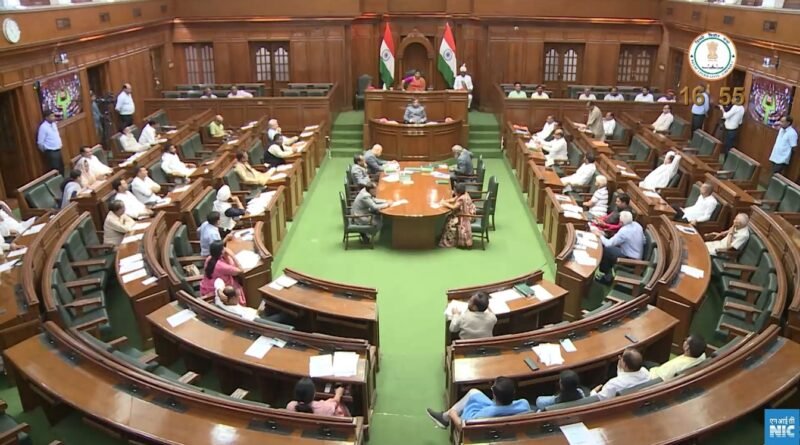
The Delhi Vidhan Sabha, also known as the Delhi Legislative Assembly, is the unicameral legislature of the National Capital Territory
Read More
The stock market is a dynamic ecosystem where investors trade various financial instruments. These instruments are categorized into different segments
Read More
CDSL and NSDL: Explained In India’s financial market, CDSL (Central Depository Services Limited) and NSDL (National Securities Depository Limited) are
Read More
A bank run occurs when a large number of customers simultaneously withdraw their deposits from a bank due to fears
Read More