
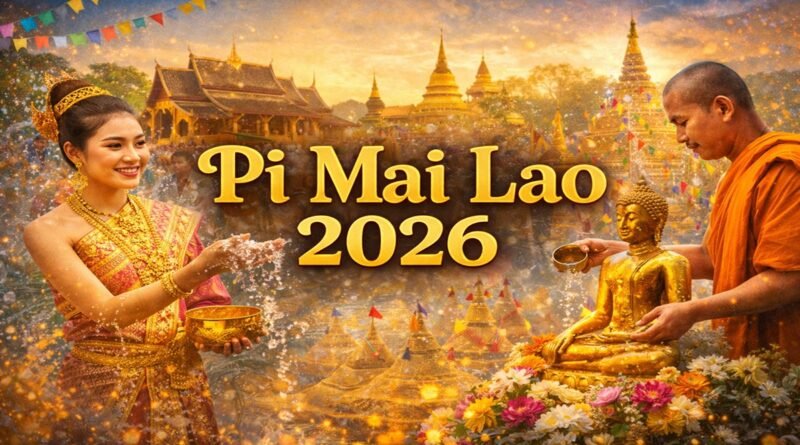
Pi Mai Lao 2026: Lao New Year Festival – Date, Traditions, History & Celebrations
Introduction
Pi Mai Lao, also known as Lao New Year, is one of the most important and vibrant festivals in Laos. It marks the transition into a new year based on the traditional solar calendar and is celebrated with joy, water rituals, religious ceremonies, and cultural performances.
In 2026, Pi Mai Lao will be celebrated from April 14 to April 16, 2026, aligning with other Southeast Asian New Year festivals like Songkran (Thailand) and Thingyan (Myanmar).
Read This: Pi Mai Lao 2026 Social Media Captions (50+)
Dates of Pi Mai Lao 2026
- Start Date: April 14, 2026
- Main Celebrations: April 15, 2026
- Final Day: April 16, 2026
Each day of the festival has its own significance and unique rituals.
What is Pi Mai Lao?
Pi Mai Lao translates to “Lao New Year” and symbolizes:
- Renewal and fresh beginnings
- Washing away past negativity
- Welcoming prosperity and happiness
It is both a religious and cultural festival, deeply rooted in Buddhist traditions.
Historical & Religious Significance
Pi Mai Lao is closely associated with Theravada Buddhism.
Key Religious Aspects:
- Visiting temples (Wats)
- Offering food to monks
- Bathing Buddha statues with scented water
- Listening to prayers and sermons
The festival emphasizes purification of the mind, body, and soul.
Three Days of Pi Mai Lao Explained
1. April 14 – The Last Day of the Old Year
- Cleaning homes and surroundings
- Preparing offerings for temples
- Reflecting on the past year
This day is about letting go of negativity.
2. April 15 – “Day of No Day” (Transition Day)
- Considered neither part of the old year nor the new
- Building sand stupas at temples
- Pouring water on Buddha statues and elders
This day symbolizes transition and spiritual cleansing.
3. April 16 – First Day of the New Year
- Official start of the New Year
- Wearing traditional clothes
- Family gatherings and celebrations
- Cultural dances and processions
It represents new beginnings and blessings.
Famous Rituals and Traditions
1. Water Festival (Water Splashing 💦)
The most exciting part of Pi Mai Lao is the water celebration:
- People splash water on each other
- Symbolizes washing away sins and bad luck
- Streets turn into joyful water playgrounds
2. Bathing Buddha Statues
- Scented water is gently poured on statues
- Represents purification and respect
3. Sand Stupas (Chedi Sai)
- Sand is used to build small stupas in temples
- Decorated with flags and flowers
- Symbolizes merit-making
4. Baci Ceremony
- A traditional ritual to call back spirits
- Blessings are given for health and prosperity
5. Cultural Performances
- Traditional Lao dances
- Music and parades
- Beauty contests like Miss Pi Mai Lao
How Pi Mai Lao is Celebrated in Laos
Luang Prabang (Most Famous Celebration)
- Grand parades
- Water splashing events
- Temple ceremonies
Vientiane (Capital City)
- Modern + traditional mix
- Cultural shows and fairs
Local Villages
- Simple yet deeply spiritual celebrations
- Strong community bonding
Food During Pi Mai Lao
Traditional Lao dishes enjoyed during the festival include:
- Sticky rice
- Laap (minced meat salad)
- Papaya salad
- Fresh tropical fruits
Food plays an important role in bringing families together.
Cultural Importance
Pi Mai Lao is more than just a festival—it represents:
- Respect for elders
- Community unity
- Spiritual cleansing
- Cultural identity of Laos
Pi Mai Lao vs Songkran & Thingyan
| Festival | Country | Key Feature |
|---|---|---|
| Pi Mai Lao | Laos | Spiritual + water rituals |
| Songkran | Thailand | Large-scale water fights |
| Thingyan | Myanmar | Religious + water festival |
All three share the theme of water as purification.
Modern Celebrations
Today, Pi Mai Lao blends tradition with modern fun:
- Music festivals
- Street parties
- Tourism attraction
Despite modernization, the core spiritual values remain strong.
Conclusion
Pi Mai Lao 2026 is a beautiful festival of renewal, spirituality, and joy. Celebrated from April 14 to 16, it brings people together through traditions, rituals, and celebrations.
Whether through temple visits, water splashing, or family gatherings, the festival reminds everyone to start fresh, stay grateful, and spread happiness.
