
GST Compensation Cess: Why It Matters for States’ Finances
Introduction The introduction of the Goods and Services Tax (GST) in India marked a significant shift from the previous tax
Read MoreGet expert insights on money management, investments, budgeting, and financial planning.
Disclaimer: This blog/Website is for educational purposes only and not investment advice. The securities mentioned are just examples, not recommendations. Do your own research before making any investment decisions.
Introduction The introduction of the Goods and Services Tax (GST) in India marked a significant shift from the previous tax
Read More
Introduction E-invoicing under the Goods and Services Tax (GST) framework is a system introduced by the Indian government to enhance
Read More
Goods and Services Tax (GST) is a unified tax system that has replaced multiple indirect taxes in India. However, certain
Read More
The Reverse Charge Mechanism (RCM) under the Goods and Services Tax (GST) is a concept where the recipient of goods
Read More
The introduction of Goods and Services Tax (GST) has significantly impacted the real estate sector in India. Homebuyers and builders
Read More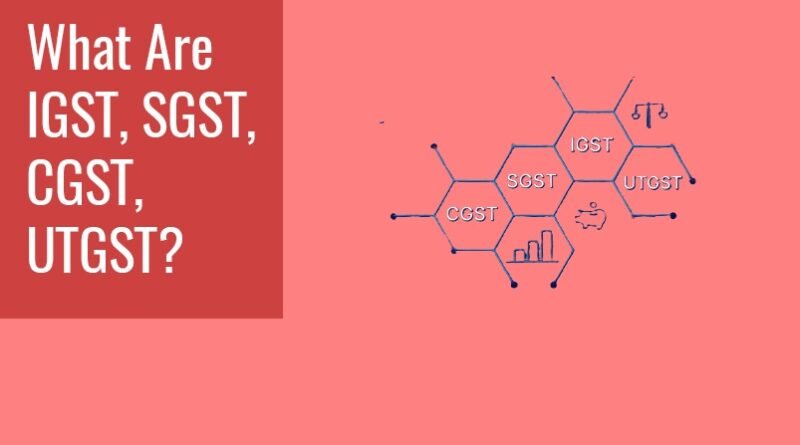
Goods and Services Tax (GST) is a unified tax system in India that replaced multiple indirect taxes. It is structured
Read More
Goods and Services Tax (GST) is an essential component of India’s indirect tax system, impacting businesses of all sizes. Ensuring
Read More
Article 1: Name and Territory of the Union – Constitution of India The Constitution of India, adopted on 26th November
Read More
Education services form the backbone of societal development by equipping individuals with knowledge, skills, and values. In India, education has
Read More
Introduction Goods and Services Tax (GST) is a unified tax structure introduced in India on July 1, 2017, replacing multiple
Read More