
Chaitra Navratri Bhog 2026: 9-Day Sacred Offerings and Their Deeper Meaning
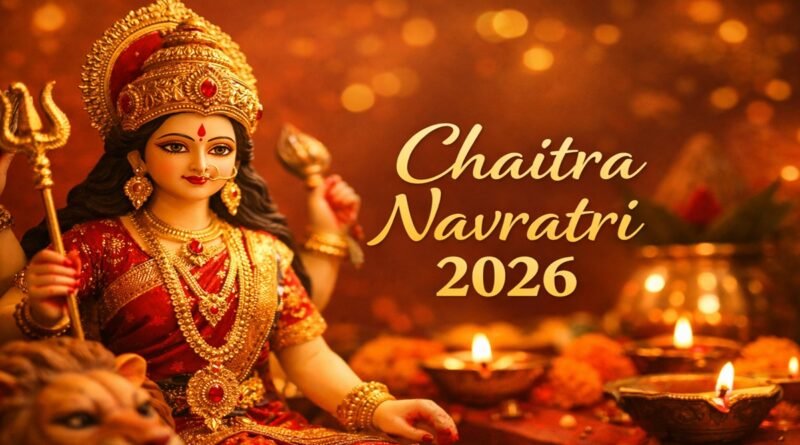
Chaitra Navratri 2026 begins on March 19, marking a spiritually vibrant period dedicated to Maa Durga and her nine divine forms. While fasting and rituals are widely observed, one of the most meaningful traditions is preparing and offering bhog (sacred food). Each day’s offering isn’t chosen at random—it carries symbolic and astrological significance rooted in ancient wisdom.
Here’s a complete guide to the 9-day bhog list and what each offering represents:
Read this: Ghatasthapana Muhurat 2026 (Chaitra Navratri): Date, Timings, Vidhi & Significance
Day 1: Maa Shailputri – Ghee
Navratri begins with Maa Shailputri, symbolizing strength and purity. Offering pure desi ghee or dishes like ghee halwa is considered auspicious. Ghee is associated with vitality and nourishment, and it is believed to promote good health and protect against illnesses throughout the year.
Day 2: Maa Brahmacharini – Sugar and Fruits
On the second day, simplicity takes center stage. Mishri (rock sugar) and fresh fruits like bananas are offered. This reflects the Goddess’s austere and devoted nature. Spiritually, this offering is said to enhance determination and help individuals stay committed to their goals.
Day 3: Maa Chandraghanta – Milk
Milk and milk-based sweets such as kheer are offered to Maa Chandraghanta. Milk is linked to calmness and the Moon’s soothing energy. Devotees believe this offering helps reduce stress, bringing emotional balance and mental clarity.
Day 4: Maa Kushmanda – Malpua
Maa Kushmanda, the creator of the universe, is honored with malpua—a sweet, rich delicacy. This offering symbolizes abundance and creativity. It is believed to sharpen intellect and support wise decision-making in personal and professional life.
Day 5: Maa Skandamata – Bananas
Bananas are offered to Maa Skandamata, representing nourishment and maternal care. This simple offering is associated with growth and prosperity, especially in career and business. It is said to remove obstacles and open doors to new opportunities.
Day 6: Maa Katyayani – Honey
Honey is offered to the fierce and powerful Maa Katyayani. Known for her warrior spirit, she symbolizes courage and strength. Honey is believed to enhance inner radiance, confidence, and the ability to face challenges boldly.
Day 7: Maa Kalaratri – Jaggery
Maa Kalaratri, the most intense form of Durga, is worshipped with jaggery (gur). This earthy sweet is considered protective and grounding. Astrologically, it is believed to reduce the negative effects of Saturn and safeguard the household from hardships.
Day 8: Maa Mahagauri – Coconut
Ashtami, one of the most significant days, is dedicated to Maa Mahagauri. Coconut is offered along with traditional dishes like puri and poha during Kanya Pujan. This offering symbolizes purity and peace, and is believed to bring financial stability and harmony.
Day 9: Maa Siddhidatri – Sesame and Bottle Gourd
The final day honors Maa Siddhidatri, the giver of wisdom and fulfillment. Offerings include sesame seeds (til) and bottle gourd (lauki), often prepared as sweets or kheer. These symbolize gratitude and completion, with blessings for success and balance in life.
Final Thoughts
Each bhog in Navratri carries a deeper intention—whether it’s for health, courage, peace, or prosperity. By understanding the significance behind these offerings, devotees can connect more meaningfully with the rituals and experience the festival on a deeper spiritual level.
May this Navratri bring positivity, strength, and fulfillment into your life. 🌸
