
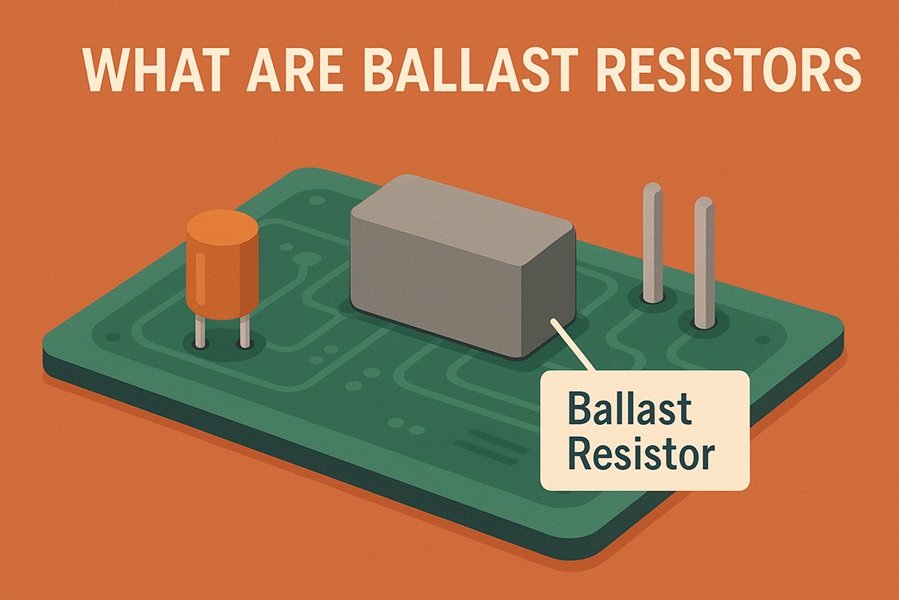
What Are Ballast Resistors?
Understanding Ballast Resistors
Function of ballast resistors in vehicles
The ballast resistors regulate the current from the ignition coil to ensure an even and constant voltage supply to the ignition system of a vehicle. These components may be small but they are paramount for optimum performance and range of performance. With the voltage being lowered during normal operation, this resistor can prevent excessive current from causing damage to sensitive components like the ignition coil itself.
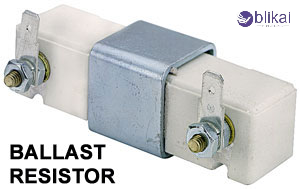
Signs of a failing ballast resistor
When your ballast resistor begins to fail, several telltale symptoms may become evident. These include difficulty starting the engine in cold weather conditions, inconsistent engine performance and frequent stalling; in some instances drivers may notice decreased fuel efficiency or an increase in engine misfires. Left unattended, failing ballast resistors can lead to more severe ignition system issues that leave drivers stranded; regular maintenance and prompt attention paid to these symptoms could help protect against more extensive damage to their ignition systems and help prevent more extensive damages being done to their ignition systems.
Manufacturing Defects and Quality Issues
A. Substandard materials in resistor construction
The use of substandard materials in ballast resistor construction is a significant contributor to premature failure. Manufacturers may opt for cheaper, lower-quality materials to reduce production costs, compromising the resistor’s integrity. These inferior materials often lack the necessary heat resistance and durability required for optimal performance. For instance, low-grade ceramic cores may crack under thermal stress, while poor-quality wire windings can corrode or break easily. Substandard insulation materials may also degrade quickly, leading to short circuits or electrical leakage.
B. Poor design leading to premature failure
Poor ballast resistor design is another key contributor to premature failure, such as improper heat dissipation mechanisms or inefficient component layout. Overheating may occur as a result of inadequate heat dissipation mechanisms or uneven current distribution; uneven current distribution can accelerate wear-and-tear wear on specific parts of the resistor faster than others; vibrational disturbance and environmental factors also play a part. Eventually this all leads to decreased lifespan for your ballast resistor!
C. Inconsistent quality control in production
Subpar quality control during the manufacturing process can result in an excessively large percentage of defective ballast resistors. Faulty units may pass inspection without inspection, leading to early failures on vehicles. Variations in production techniques like inconsistent winding tension or improper sealing could create weak points within a resistor and lax quality control could overlook issues like contamination during assembly or packaging that compromise its performance over time.
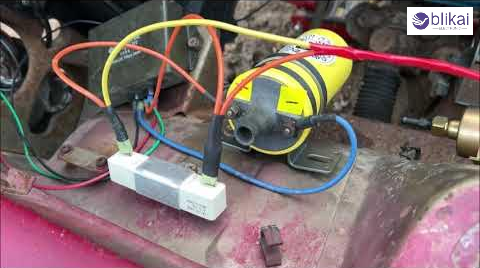
Improper Installation and Maintenance
A. Incorrect wiring connections
Improper wiring connections can be one of the primary causes of ballast resistor failure. When installing or replacing one, it is vitally important to follow all manufacturer’s specifications closely; incorrect connections could result in excessive current flow, overheating and premature failure if left unchecked – always double-check that each wire is securely connected with its designated terminal before proceeding with installation or replacement.
B. Neglecting regular inspections
Regular inspections are an integral component of maintaining the health of your ballast resistor, and neglecting this step may result in undiagnosed issues that could become worse over time. When inspecting, look out for physical damage such as discoloration or burn marks as well as loose connections or frayed wires which could present electrical risks.
C. Using incompatible replacement parts
When searching for replacement ballast resistors, it may be tempting to opt for cheaper generic alternatives; however, using incompatible replacements could cause major complications. When replacing an original equipment ballast resistor with incompatible resistors that have different resistance values or power ratings could potentially compromise the electrical system and lead to irreparable damage in your vehicle’s electrical system.
D. Over Tightening during installation
While it’s vital to ensure the ballast resistor is securely fitted, overtightening it on installation could damage not only the ceramic body but also the internal components of the resistor. Follow the specified torque rating to avoid putting undue mechanical stress. A properly fitted resistor should fit snugly, but must not be excessively tight.
