
Understanding 12 Houses of Kundli: Indian Astrology
Indian astrology, also known as Vedic astrology or Jyotish, is an ancient system of astrology rooted in the Vedas, the sacred texts of India. It is based on the belief that the positions and movements of celestial bodies, such as planets and stars, have a profound impact on human life and events on Earth. Indian astrology divides the sky into 12 zodiac signs, each corresponding to specific traits and characteristics, while the birth chart, or Kundli, is a key tool for analyzing an individual’s destiny. Through its unique techniques, including the use of Nakshatras (lunar constellations) and Dasha systems, Vedic astrology offers insights into various aspects of life, such as career, relationships, health, and personal growth, with a strong emphasis on spiritual progress.
Kundli
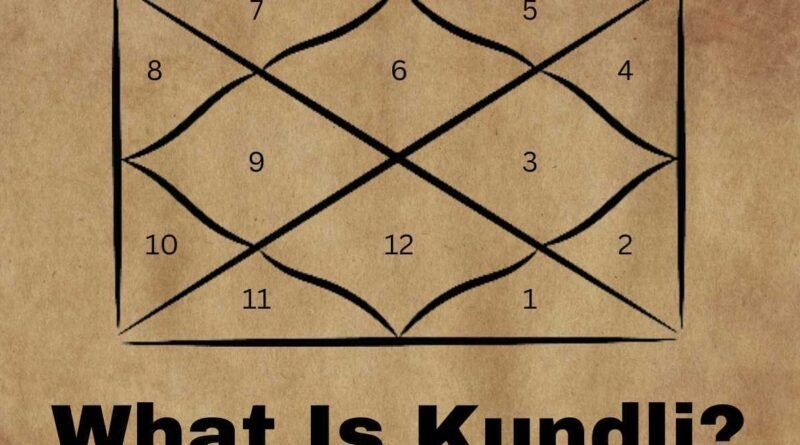
In Indian astrology, a Kundli, also known as a birth chart or horoscope, is a crucial tool that provides a detailed map of the positions of the planets, stars, and other celestial bodies at the exact moment of an individual’s birth. It is created by analyzing the time, date, and place of birth, and is used to predict and understand various aspects of a person’s life, including their personality, career, relationships, health, and spiritual journey. The Kundli consists of 12 houses, each representing a specific area of life, and the positions of planets within these houses reveal important information about the individual’s fate. By interpreting the Kundli, astrologers can offer guidance on important life decisions, as well as remedies to overcome challenges and enhance well-being.

Explaination of each house
Consider happiness, age, caste, health, happiness-sorrow, physical appearance etc. from the first house.
Consider wealth, family, gems-jewellery, speech, memory power, clothes-gifts, imagination power, second marriage, buying-selling etc. from the second house.
Consider younger siblings, servants, neighbours, writing work, message, valour, right ear, short journey, change in residence etc. from the third house.
Consider garden, field, medicine, house, ride, mother, face, water, buried treasure, false accusation, knowledge, inheritance, bed, father-in-law etc. from the fourth house.
Consider children, pregnancy, mantra, education, intelligence, discretion power, arts, management, guru, society, love, governance etc. from the fifth house.
Consider disease, fear, enemy, maternal uncle, doubt, disease, obstacle, job, getting injured, competition, debt, quarrel with partner etc. from the sixth house. From the seventh house, consider marriage, wife or husband, love affair, lost object, business, transaction, dispute, bed, bed pleasure etc.
From the eighth house, consider death, crisis, woman’s wealth, age consideration, loss by enemy, quarrel, in-laws, ghost interference, mental unrest, royal punishment, addiction etc.
From the ninth house, consider luck, religion, pilgrimage, Guru, God, long journey, pious deeds, father, foreign travel, charity, worship, grandchildren, compassion etc.
From the tenth house, consider business, profit-loss from the government, position, promotion, mother-in-law, interference in politics, work style, office, reputation etc.
From the eleventh house, consider ride, food, clothes, friend, business, education, elder brother-sister, left ear, mother-in-law’s wealth, daughter-in-law-son-in-law etc.
From the twelfth house, consider change of place, enjoyment, dispute, charity, expenditure, lending, jail visit, debt etc.
