
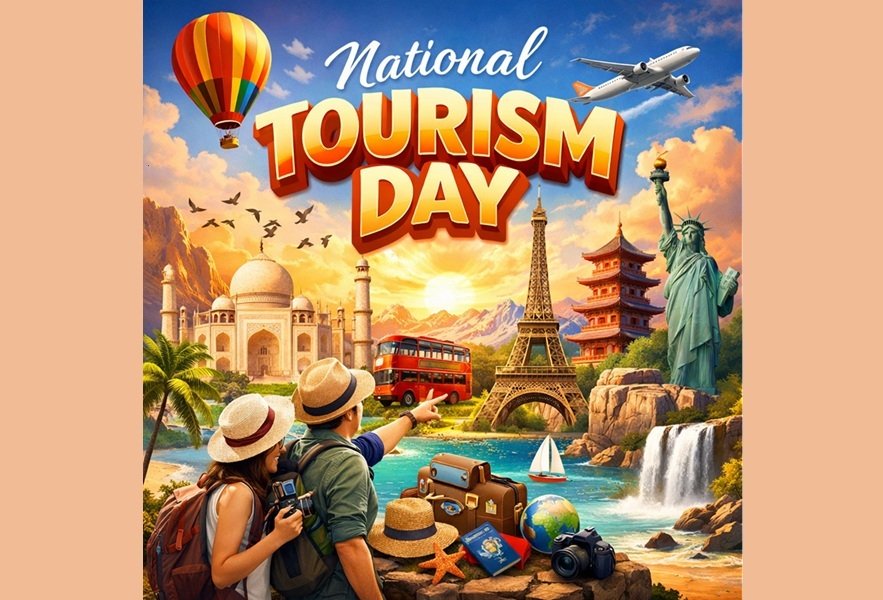
National Tourism Day – Celebrating the Spirit of Travel
Every year, National Tourism Day is observed in India on January 25 with the aim of highlighting the importance of tourism for the country’s economic growth, cultural exchange, and national integration. The day serves as a reminder of how travel and tourism contribute not only to employment and infrastructure but also to mutual understanding among people from diverse backgrounds.
What Is National Tourism Day?
National Tourism Day is an initiative of the Government of India to promote tourism across the nation. India is home to breathtaking landscapes, ancient monuments, vibrant festivals, rich traditions, and incredible biodiversity. This day encourages citizens and global travelers alike to explore and experience the wonders that India has to offer.
The celebration of National Tourism Day focuses on:
- Raising awareness about the role of tourism
- Encouraging responsible and sustainable travel
- Showcasing India’s heritage and natural beauty
- Strengthening India’s image as a global tourist destination
History Behind National Tourism Day
The Ministry of Tourism designated January 25 as National Tourism Day to develop interest in tourism and to educate people about its potential. Tourism has long been one of the key pillars of India’s development strategy. From the iconic Taj Mahal to the serene backwaters of Kerala, and from the royal palaces of Rajasthan to the spiritual circuits of Bodh Gaya and Varanasi, India offers unmatched tourism opportunities.
Over the decades, campaigns like “Incredible India” have played a major role in transforming the Indian tourism sector into a globally recognized brand.
Importance of Tourism in India
Tourism is much more than sightseeing—it is a powerful engine of growth. The sector supports millions of livelihoods including hotel staff, tour guides, transport services, artisans, local vendors, and small businesses.
Key benefits of tourism include:
1. Economic Contribution
Tourism brings valuable foreign exchange to India and boosts local economies. Popular destinations generate revenue that helps in regional development.
2. Employment Generation
The travel industry creates jobs in urban as well as rural areas. It is one of the largest service sectors providing direct and indirect employment.
3. Cultural Preservation
Tourism helps preserve historical monuments, traditional art forms, and indigenous cultures by bringing them into public focus.
4. Global Connectivity
It strengthens people-to-people ties and promotes India’s soft power worldwide.
To understand more about Indian cultural tourism, you may read our internal resource:
“Top Heritage Tourism Destinations in India.”
Themes and Celebrations
Each year, National Tourism Day is celebrated with a special theme centered on sustainable development and innovation in tourism. Events, seminars, cultural programs, and promotional campaigns are organized by tourism boards, state governments, and private stakeholders.
Recent focus areas have included:
- Eco-tourism
- Rural and homestay tourism
- Adventure travel
- Digital transformation in tourism
- Promotion of Buddhist and spiritual tourism circuits
Considering your interest in Buddhism-related analytical writing, destinations such as Sarnath, Kushinagar, and Nalanda perfectly align with cultural tourism promotion efforts.
Responsible Tourism – The Need of the Hour
Modern-day travel must be aligned with sustainability. National Tourism Day also emphasizes responsible tourism practices, such as:
- Respecting local traditions
- Avoiding plastic waste
- Protecting wildlife and environment
- Supporting local communities
- Promoting offbeat destinations to reduce overcrowding
Top Quotes on National Tourism Day
Here are some inspiring lines you can share with readers:
- “Tourism is the best tool to explore the soul of a nation.”
- “Travel far, travel wide—but travel responsibly.”
- “India doesn’t just offer destinations; it offers experiences.”
- “Discover India, Discover Yourself.”
- “The world is a book—and those who do not travel read only one page.”
Captions for Social Media
25+ Ready-to-use captions:
- Celebrating India’s beauty this National Tourism Day
- Let’s explore Incredible India
- Travel more, worry less
- Proud to be part of a vibrant tourism nation
- Tourism connects hearts
- Wanderlust forever
- Discover new cultures
- Support local tourism
- Sustainable travel is happy travel
- Explore – Dream – Travel
- Mountains are calling
- Travel is education
- Boosting tourism, building India
- Respect destinations
- Keep India clean while traveling
- Cultural pride through tourism
- One Nation, Many Destinations
- Say YES to new adventures
- Heritage is our identity
- Explore your own country first
- Travel with purpose
- Incredible India, Unforgettable Journeys
- Tourism for inclusive growth
- Experience the diversity of India
- Creating memories across India
How You Can Participate
As a citizen, blogger, or entrepreneur, you can contribute by:
- Writing and promoting authentic travel content
- Sharing tourism-related awareness posts
- Exploring new Indian destinations
- Building travel tech and smart solutions
FAQs on National Tourism Day
Q1. When is National Tourism Day celebrated in India?
National Tourism Day is celebrated on January 25 every year.
Q2. Who organizes National Tourism Day?
It is organized by the Ministry of Tourism, Government of India, in collaboration with state tourism departments.
Q3. What is the purpose of this day?
To create awareness about tourism’s impact on economy, culture, and sustainable development.
Q4. Is tourism important for employment?
Yes, tourism is one of the largest job-creating sectors in India.
Q5. What type of tourism is promoted?
Eco-tourism, cultural tourism, rural tourism, and heritage tourism are widely promoted.
Conclusion
National Tourism Day is not just a symbolic observance—it is a celebration of India’s identity and potential. Travel helps people understand history, geography, sociology, and culture in real life. By promoting tourism thoughtfully, India moves closer to inclusive and sustainable progress.
Let us pledge to explore our magnificent nation while preserving it for future generations.
