
Japan’s Mirumi Are the New Labubus? All About These Furry Charms
For the past few years, collectible bag charms have quietly transformed from niche accessories into full-blown pop-culture obsessions. After the internet’s intense fascination with eerie, wide-eyed Labubus, a noticeable shift is taking place. As we step into a new year, many collectors and fashion lovers are officially leaving Labubus behind and embracing something softer, warmer, and far more interactive—Mirumi robot charms from Japan.
These plushy, furry companions are taking over social media feeds, handbags, and even water bottles, quickly becoming the latest obsession for people who love cute tech and emotional design. But what exactly are Mirumi robot charms, and why are they being compared to Labubus? Let’s dive deep into this viral trend.
What Are Mirumi Robot Charms?
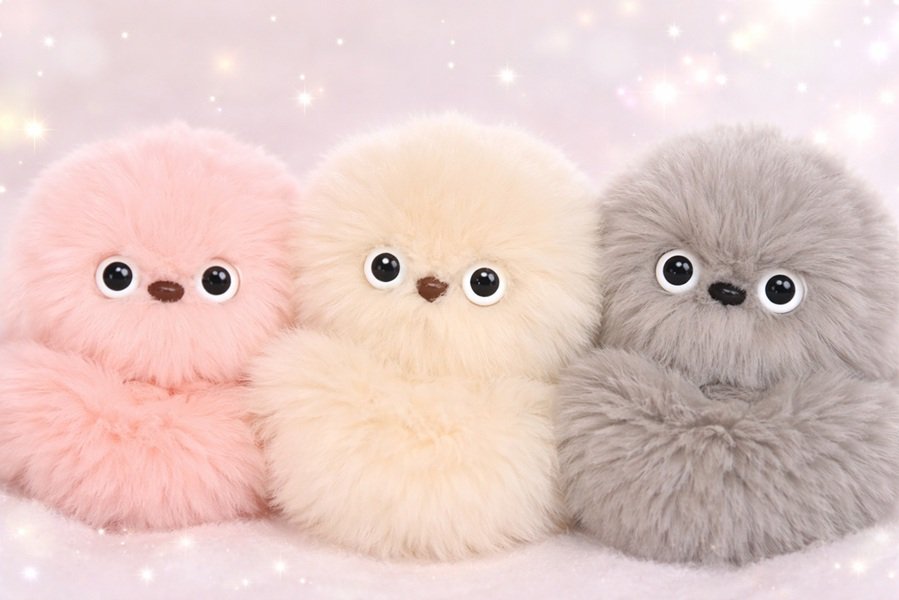
Mirumi robot charms are not your average bag accessories. At first glance, they look like tiny, fluffy plush toys with innocent expressions. But beneath their soft fur lies smart technology designed to react to the world around them.
Unlike traditional charms that simply hang from a bag, Mirumi is a small companion robot. According to the official description, Mirumi observes its surroundings, gently turns its head, and shyly reacts when it senses sound or touch. The experience is meant to feel intimate and emotional—almost like sharing a fleeting moment with a curious baby who unexpectedly makes eye contact with you in a crowded place.
These charms come with extra-long arms, allowing users to hang them securely on handbags, backpacks, or even emotional-support water bottles. The result is an accessory that doesn’t just decorate your bag—it interacts with you and your environment.
The Philosophy Behind Mirumi’s Design
Mirumi was created by the team at Yukai Engineering, led by CEO Shunsuke, who is known for blending robotics with emotional storytelling. His inspiration came from a very specific human experience: the gentle joy of locking eyes with a baby being carried by a parent.
That quiet, unexpected moment often makes people smile instinctively or wave back. Mirumi was designed to recreate this exact feeling—small, heart-melting interactions that brighten everyday life.
Rather than overwhelming users with screens or complex features, Mirumi focuses on subtle movements and expressions. Its design philosophy centers on emotional resonance, proving that technology doesn’t always need to be loud or flashy to feel meaningful.
How Mirumi Robot Charms Work
What makes Mirumi stand out is its ability to behave in a surprisingly lifelike way. Each charm is equipped with a combination of sensors and a proprietary algorithm that allows it to respond naturally.
Mirumi can:
- Nod gently
- Turn its head toward sounds
- Shake slightly when startled
- Tilt its head in a shy, curious manner
These movements are intentionally soft and unpredictable, mimicking the spontaneous reactions of a real baby. This hyper-realistic behavior is what makes people instantly form an emotional connection with the charm.
How Is Mirumi Different From Labubus?
Labubus dominated 2025 with their creepy-cute aesthetic and collectible appeal. While they were visually striking, they remained static objects—designed to be looked at, not interacted with.
Mirumi represents a shift in taste. Instead of eerie expressions and spooky charm, Mirumi offers warmth, innocence, and interaction. It doesn’t just hang from your bag; it reacts to sound, movement, and touch, creating a sense of companionship rather than mere decoration.
In short:
- Labubus: Visual collectibles, spooky-cute, static
- Mirumi: Interactive, emotionally engaging, soft and comforting
This difference explains why many collectors feel Mirumi is the natural evolution of the bag-charm trend.
Mirumi Robot Charm Colors and Variants
Currently, Mirumi robot charms are available in three soft, aesthetically pleasing fur colors:
- Grey
- Pink
- Ivory
Each color enhances the charm’s gentle expression and plush appearance, making them suitable for both minimalist and playful styles.
Mirumi Robot Charm Price
According to multiple media reports, the promotional price of Mirumi robot charms is approximately 18,360 Japanese yen, which converts to around ₹10,500–₹11,000.
This pricing is part of a limited promotional period. Once the initial phase ends, the cost is expected to increase, making early buyers part of an exclusive first wave of owners.
Where to Buy Mirumi Robot Charms
At the moment, Mirumi robot charms are available only through pre-orders. Interested buyers can secure one via the brand’s official Kickstarter campaign, which has gained significant attention from collectors and tech enthusiasts worldwide.
Since these charms are still in the early launch phase, retail availability is limited.
Where to Buy Mirumi Robot Charms in India
For buyers in India, Mirumi robot charms are not yet available through local retailers. However, Indian fans can still try ordering through the official Kickstarter page.
Do keep in mind that international shipping, customs duties, and delivery timelines may apply. In-store availability in India could take several months, depending on demand and distribution plans.
Why Mirumi Might Be the Next Big Collectible Trend
Mirumi’s rise signals a broader shift in how people connect with accessories. Today’s collectors aren’t just looking for something that looks good—they want items that feel alive, personal, and emotionally comforting.
By combining soft aesthetics with gentle robotics, Mirumi sits perfectly at the intersection of fashion, technology, and emotional design. For many, it’s not just a charm—it’s a tiny companion that adds warmth to everyday routines.
Final Thoughts
As trends evolve, it’s clear that the era of purely creepy collectibles may be fading. Mirumi robot charms offer a refreshing alternative—cute without being scary, technological without being overwhelming, and emotional without being sentimental.
If Labubus represented edgy collectible culture, Mirumi represents its softer, more human future. Whether you’re a toy collector, fashion enthusiast, or someone who simply loves adorable innovations, Mirumi might just be the next charm you can’t resist.
