
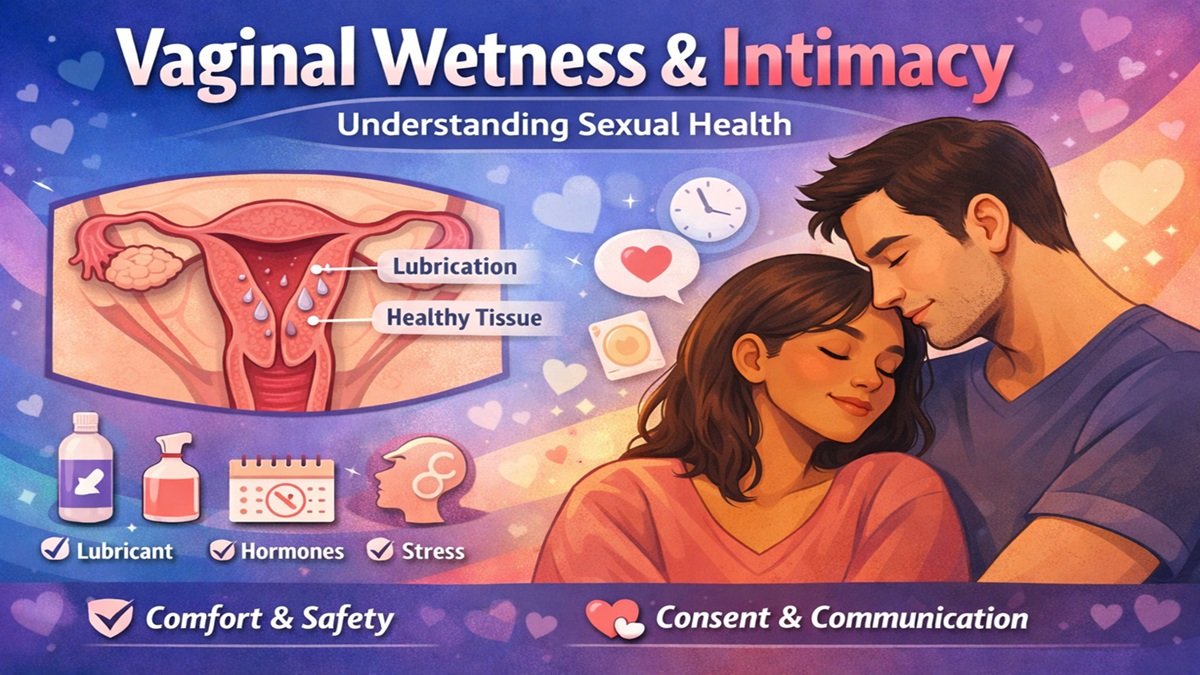
Is Vaginal Wetness Important for Intercourse?
A Complete Medical & Educational Explanation
Vaginal wetness, also known as natural lubrication, plays an important role in sexual comfort and vaginal health. However, there are many myths and misunderstandings surrounding it. This article explains why vaginal lubrication matters, what affects it, whether dryness is normal, and how to manage it safely.
What Is Vaginal Wetness?
Vaginal wetness refers to the natural fluid released by vaginal and cervical glands during sexual arousal. This fluid:
- Moisturizes the vaginal walls
- Reduces friction during penetration
- Protects delicate vaginal tissues
It is a normal physiological response influenced by hormones, blood flow, emotional state, and overall health.
Why Is Vaginal Wetness Important During Intercourse?
1. Reduces Friction and Pain
Adequate lubrication:
- Makes penetration easier
- Prevents pain, burning, or discomfort
- Reduces chances of vaginal tears or micro-injuries
Pain during sex is not normal and often indicates insufficient lubrication or another underlying issue.
2. Protects Vaginal Tissues
The vagina has sensitive lining tissues. Proper wetness:
- Prevents irritation and inflammation
- Helps maintain tissue elasticity
- Reduces risk of post-intercourse soreness
3. Supports Vaginal Health
Lubrication helps:
- Maintain a healthy vaginal environment
- Lower the risk of infections caused by friction or tissue damage
4. Improves Sexual Comfort and Confidence
Comfortable intercourse:
- Enhances relaxation
- Improves emotional connection
- Encourages positive sexual experiences
Does Vaginal Wetness Always Mean Sexual Desire?
No. This is a very important point.
- Vaginal wetness is a physical reflex, not a decision
- A person may be wet without feeling desire
- A person may feel desire without becoming wet
Important Clarification
- Wetness does NOT equal consent
- Dryness does NOT mean lack of interest
Consent is always verbal, emotional, and conscious, never based on physical responses.
Is It Normal to Have a Dry Vagina?
Yes, vaginal dryness is very common and can happen at any age.
Common Causes of Vaginal Dryness
1. Hormonal Changes
- Menstrual cycle fluctuations
- Pregnancy
- Breastfeeding
- Menopause
Lower estrogen levels reduce natural lubrication.
2. Stress and Anxiety
Mental stress affects:
- Arousal signals from the brain
- Blood flow to genital areas
Emotional comfort is closely linked to physical response.
3. Lack of Adequate Foreplay
The body needs time to respond to arousal. Rushing can result in dryness even if attraction exists.
4. Medications
Some medicines reduce lubrication, including:
- Antidepressants
- Antihistamines
- Blood pressure medicines
- Hormonal contraceptives
5. Dehydration and Lifestyle Factors
- Not drinking enough water
- Smoking
- Excessive alcohol use
6. Medical Conditions
Conditions like:
- Vaginal infections
- Autoimmune disorders
- Pelvic floor problems
may affect lubrication and should be medically evaluated.
What Happens If Intercourse Occurs Without Adequate Wetness?
Intercourse without proper lubrication may cause:
- Pain and discomfort
- Small vaginal tears
- Bleeding
- Increased infection risk
- Fear or anxiety around future intimacy
Sex should never be painful. Pain is a signal to stop and address the issue.
How Can Vaginal Dryness Be Managed?
1. Communication With Partner
Open communication reduces pressure and improves comfort.
2. More Foreplay
Longer and relaxed foreplay allows the body to naturally respond.
3. Use of Lubricants
Using lubricants is:
- Normal
- Safe
- Medically recommended
Types of Lubricants
- Water-based – safe and easy to clean
- Silicone-based – longer lasting
- Oil-based – not recommended with condoms
4. Medical Consultation
If dryness is frequent, painful, or sudden:
- Consult a gynecologist
- Hormonal treatments or medical creams may help
Does Vaginal Wetness Affect Fertility?
Natural cervical mucus during ovulation helps sperm movement. However:
- Mild dryness does not necessarily cause infertility
- Medical evaluation is recommended if conception is difficult
Myths vs Facts
| Myth | Fact |
|---|---|
| Wet vagina means desire | Wetness is a reflex |
| Dryness means no interest | Dryness has many causes |
| Lubricants are unhealthy | Lubricants are safe |
| Pain during sex is normal | Pain should be addressed |
Frequently Asked Questions (FAQs)
Q1. Is vaginal wetness mandatory for intercourse?
No, but lubrication (natural or external) is important for comfort and safety.
Q2. Can a healthy woman still experience dryness?
Yes. Stress, hormones, or medications can cause temporary dryness.
Q3. Is using lubricant a sign of a problem?
No. Using lubricant is responsible and healthy, not a weakness.
Q4. Can dryness cause infections?
Yes. Friction and tissue damage can increase infection risk.
Q5. Should dryness always be treated?
Occasional dryness is normal. Persistent or painful dryness should be medically evaluated.
Conclusion
Vaginal wetness plays an important role in making intercourse comfortable, safe, and enjoyable, but it is not a measure of desire, attraction, or consent. Dryness is common, normal, and manageable. Healthy intimacy depends on communication, comfort, respect, and awareness, not physical assumptions.
