
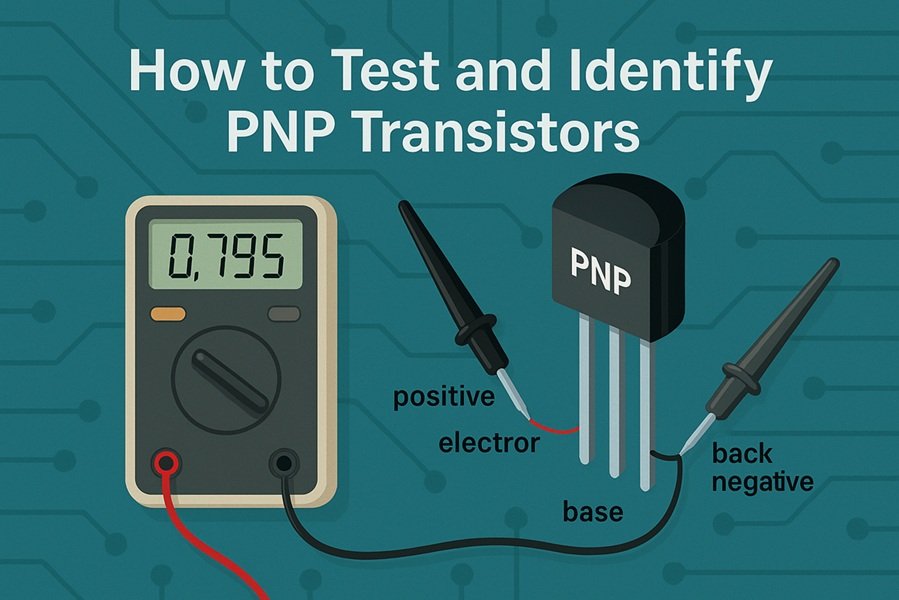
How to Test and Identify PNP Transistors
What are PNP Transistors?
The PNP transistor is a semiconductor construct basically composed of three layers: a P-type material, an N-type material, and a P-type material again. This leads to the creation of two pn junctions; the base-emitter junction, located between the P-type and N-type regions, and the collector-base junction, which lies between the N-type and P-type regions.
Preparing for the Test
Necessary tools and equipment
Testing a PNP transistor can be done with a few simple tools. TheThe most important item is a digital multimeter that measures resistance and continuity. Perform a battery check to ensure the device is working properly. You may also need a pair of needle-nose pliers or tweezers to handle small components safely. A magnifying glass can help identify pin markings on smaller transistors.
Safety precautions
Safety comes first. Before you carry on with testing or anything to do with transistors, check that the workspace is clean and dry, and handle transistors by their leads, observing that that causes static discharge. If testing a lift-out transistor, ensure it is switched off completely. Use proper eye safety measures, as anything could happen, and you could be subject to sparks or debris.
Identifying transistor pins
Most importantly, the pins of PNP transistors are structured precisely: emitter, base, and collector. If they are not correctly identified, the testing and ultimate reading will not be correct. Most transistors have a flat side or a tiny tab found at the emitter pin. Look for each pin configuration on the appropriate manufacturer’s data sheet; it does differ between manufacturers and even specs. If the transistor is in the circuit, follow the connections and proceed to ask what the pin does, one by one.
Visual Inspection
Checking for physical damage
Before any further electrical tests, it is wise to visually inspect the PNP transistor for visible signs of damage, cracks, burns, or discoloration on the body. Similarly, take note of the leads: They should be relatively straight with no corrosion. Any physical abnormalities can indicate potential issues with the transistor’s functionality.
Identifying manufacturer markings
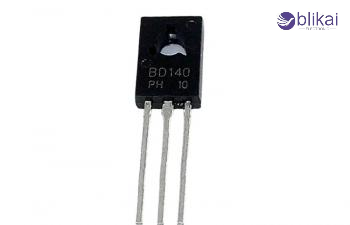
Most PNP transistors have specific markings that provide valuable information. Look for a series of letters and numbers on the transistor’s body. These markings typically include the manufacturer’s code, transistor type, and sometimes performance characteristics. Familiarize yourself with common marking schemes to interpret this information accurately.
Verifying transistor type
Confirming that you indeed have a PNP transistor is essential. PNP transistors often have prefixes like “2S” or “2SA” in their part number. Additionally, check the datasheet corresponding to the transistor’s markings to verify its type and specific characteristics. This step ensures you’re working with the correct component and helps prevent potential mistakes in subsequent testing procedures.
Using a Multimeter for Testing
Setting up the multimeter
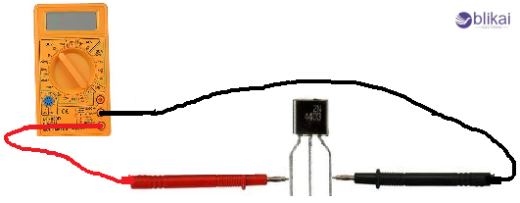
Before testing a PNP transistor, it is crucial to set up your multimeter correctly. Start by selecting the diode or resistance mode on your multimeter. Be sure that both the red and black examinations are plugged into their separate jacks, the red probe into the VOhm port and the black probe into the COM port. The multimeter is now set to its smallest resistance range, allowing for precise readings.
Testing base-emitter junction
To check the base-emitter junction, connect the red probe to the emitter and the black probe to the base. A working PNP transistor should give a reading of low resistance (between 0.45 and 0.70 ohms). Reverse the probes; you should see an open circuit or very high resistance.
Testing base-collector junction
Now for testing the junction between the base and collector, connect the red probe to the collector and the black probe to the base. Again, a working PNP transistor should show a low resistance reading in this configuration. You should see an open circuit or very high resistance when you reverse the probes.
Interpreting multimeter readings
A functional PNP transistor will show low resistance (or voltage drop in diode mode) when the emitter and collector are favorable relative to the base. If you observe low resistance in both directions or high resistance in both directions for either junction, the transistor is likely faulty. Remember that slight variations in readings are normal, but significant deviations indicate a problem.
