

How India Celebrates Makar Sankranti: Regional Traditions like Uttarayan, Pongal, Lohri, Bihu, and More
Makar Sankranti is one of the few Indian festivals celebrated on a fixed date—usually 14 January (occasionally 15 January). It marks the transition of the Sun into the zodiac sign Capricorn (Makara), signaling the end of the winter solstice and the beginning of longer days.
What makes Makar Sankranti truly unique is that it is celebrated across India under different names, rituals, foods, and cultural expressions, reflecting India’s extraordinary diversity while sharing a common spiritual and agricultural core.
This detailed article explains how Makar Sankranti is celebrated in different Indian states, including Uttarayan, Pongal, Lohri, Magh Bihu, Khichdi, and many more.
Significance of Makar Sankranti in India
Makar Sankranti is significant for three major reasons:
1. Astronomical Importance
It marks the Sun’s northward journey (Uttarayan), considered auspicious in Hindu tradition.
2. Agricultural Importance
The festival coincides with:
- Harvest season
- Gratitude to nature, Sun God, and farmers
- Celebration of prosperity and abundance
3. Spiritual Importance
Charity, holy bathing, and prayers are emphasized. Donating food, clothes, and sesame-based items is believed to bring spiritual merit.
Makar Sankranti in Gujarat – Uttarayan
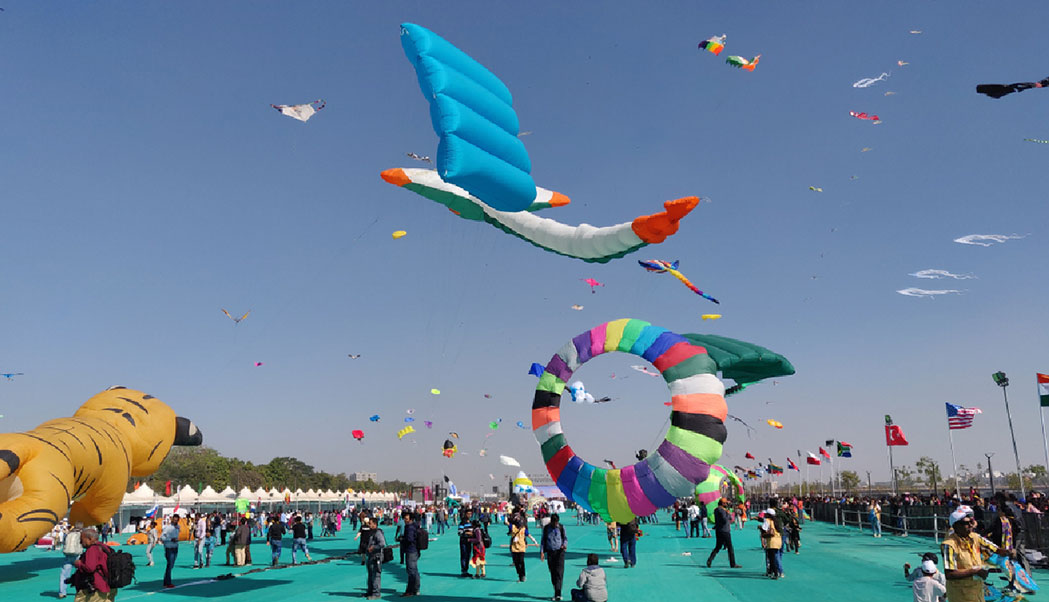
In Gujarat, Makar Sankranti is celebrated as Uttarayan, one of the grandest kite festivals in the world.
Key Features of Uttarayan
- Massive kite flying from rooftops
- Competitive kite battles using manjha (coated thread)
- Skies filled with colorful kites from morning till night
- Music, dance, and community feasts
Famous Event
The International Kite Festival in Ahmedabad attracts participants from across the globe.
Traditional Foods
- Undhiyu
- Jalebi
- Til (sesame) and jaggery sweets
Uttarayan symbolizes freedom, joy, and the victory of light over darkness.
Makar Sankranti in Tamil Nadu – Pongal
In Tamil Nadu, Makar Sankranti is celebrated as Pongal, a four-day harvest festival.
Four Days of Pongal
- Bhogi Pongal – discarding old items, welcoming new beginnings
- Thai Pongal – cooking rice until it overflows as a sign of abundance
- Mattu Pongal – honoring cattle for agricultural labor
- Kaanum Pongal – family outings and social gatherings
Ritual Highlights
- Cooking Pongal dish under open sky
- Decorating homes with kolam
- Worship of the Sun God (Surya)
Pongal reflects deep respect for nature, animals, and farmers.
Makar Sankranti in Punjab & Haryana – Lohri
In Punjab and Haryana, the festival is celebrated as Lohri, usually on 13 January, a day before Makar Sankranti.
Key Rituals of Lohri
- Lighting a bonfire
- Singing folk songs
- Performing Bhangra and Gidda
- Throwing sesame seeds, peanuts, and popcorn into the fire
Cultural Meaning
Lohri marks:
- The end of winter
- The rabi crop season
- Celebration of fertility and prosperity
It is especially important for newlyweds and newborns.
Makar Sankranti in Assam – Magh Bihu (Bhogali Bihu)
In Assam, Makar Sankranti is celebrated as Magh Bihu, also known as Bhogali Bihu, emphasizing food and feasting.
Celebrations Include
- Uruka night – community feasts
- Construction of temporary huts (Bhelaghar)
- Bonfires (Meji)
- Traditional games and folk songs
Magh Bihu celebrates abundance, unity, and community living.
Makar Sankranti in Uttar Pradesh & Bihar – Khichdi / Khichri Parv
In Uttar Pradesh and Bihar, Makar Sankranti is known as Khichdi.
Key Practices
- Holy bath in rivers like Ganga, Yamuna, and Sangam
- Preparing and donating khichdi
- Large religious gatherings, especially in Prayagraj
The festival emphasizes charity, purity, and spiritual cleansing.
Makar Sankranti in Maharashtra – Tilgul Sankranti
Maharashtra celebrates Sankranti with the exchange of tilgul (sesame-jaggery sweets).
Cultural Saying
“Tilgul ghya, god god bola”
(Consume tilgul and speak sweet words)
Traditions
- Women gatherings (haldi-kumkum)
- Exchanging sweets
- Wearing black clothes (to absorb warmth)
Makar Sankranti in Karnataka – Suggi / Makara Sankramana
In Karnataka, it marks the Suggi (harvest) festival.
Key Customs
- Decorating cattle
- Offering sugarcane, peanuts, and sesame
- Sharing ellu-bella (sesame mix)
Makar Sankranti in Andhra Pradesh & Telangana
Celebrated over four days, similar to Pongal.
Highlights
- Rangoli designs
- Cow worship
- Village fairs
- Kite flying in Telangana
Makar Sankranti in West Bengal – Poush Sankranti
Known for:
- Pitha (rice cakes)
- Date palm jaggery (nolen gur)
- Ganga Sagar Mela pilgrimage
Common Threads Across India
Despite regional diversity, Makar Sankranti celebrations share:
- Worship of the Sun God
- Use of sesame and jaggery
- Harvest thanksgiving
- Charity and sharing
- Community bonding
Why Makar Sankranti Is a Truly Pan-Indian Festival
Unlike many festivals tied to lunar calendars, Makar Sankranti follows the solar calendar, making it astronomically consistent across regions.
It symbolizes:
- Renewal
- Prosperity
- Gratitude
- Unity in diversity
Conclusion
Makar Sankranti is not just one festival but many festivals woven into one national celebration. From flying kites during Uttarayan, cooking Pongal in Tamil Nadu, lighting bonfires during Lohri, feasting during Magh Bihu, to taking holy dips during Khichdi, the festival beautifully reflects India’s cultural richness.
It reminds us that while traditions may differ, the spirit of gratitude, hope, and togetherness remains the same across India.
