

Why LPG Gas Smells Even Though LPG Has No Smell by Default
Liquefied Petroleum Gas (LPG) is widely used across homes, hotels, industries, and vehicles for cooking, heating, and energy needs. One common question many people ask is:
“If LPG has no natural smell, then why do we smell gas when there is a leak?”
The answer lies in human safety, chemistry, and intentional gas odorization. This article explains the topic step-by-step, in detail, with scientific and practical clarity.
What Is LPG?
LPG (Liquefied Petroleum Gas) is a fuel made mainly from:
- Propane (C₃H₈)
- Butane (C₄H₁₀)
Key Properties of LPG
- Colorless
- Highly flammable
- Heavier than air
- Stored in liquid form under pressure
- Expands rapidly when released
👉 Most importantly: LPG is naturally ODORLESS.
Does LPG Have Any Natural Smell?
No. LPG has absolutely no natural smell.
Pure propane and butane:
- Cannot be detected by human nose
- Are invisible
- Are tasteless
This creates a serious danger, because:
- Leaks cannot be detected easily
- Accumulated gas can cause explosions
- Suffocation risk increases indoors
Then Why Does LPG Smell?
The Simple Answer:
Because an artificial odor is deliberately added to LPG for safety.
This added substance is called an odorant.
What Is Added to LPG to Create Smell?
The most commonly used odorant is:
Ethyl Mercaptan (Ethanethiol)
Characteristics of Ethyl Mercaptan
- Extremely strong smell
- Smells like rotten eggs / sulfur / cabbage
- Detectable even at very low concentration
- Non-toxic in small quantities
- Does not affect combustion quality
👉 Even 1 part in a billion can be smelled by humans.
Why Is Odor Added to LPG?
1️⃣ Early Leak Detection
Humans can smell gas immediately if:
- Pipe leaks
- Regulator fails
- Stove knob is open
- Cylinder valve is loose
2️⃣ Explosion Prevention
LPG mixed with air forms an explosive mixture.
Smell alerts people before ignition occurs.
3️⃣ Safety for Homes and Industries
- Protects families
- Reduces fire accidents
- Saves lives
How Strong Is the LPG Smell?
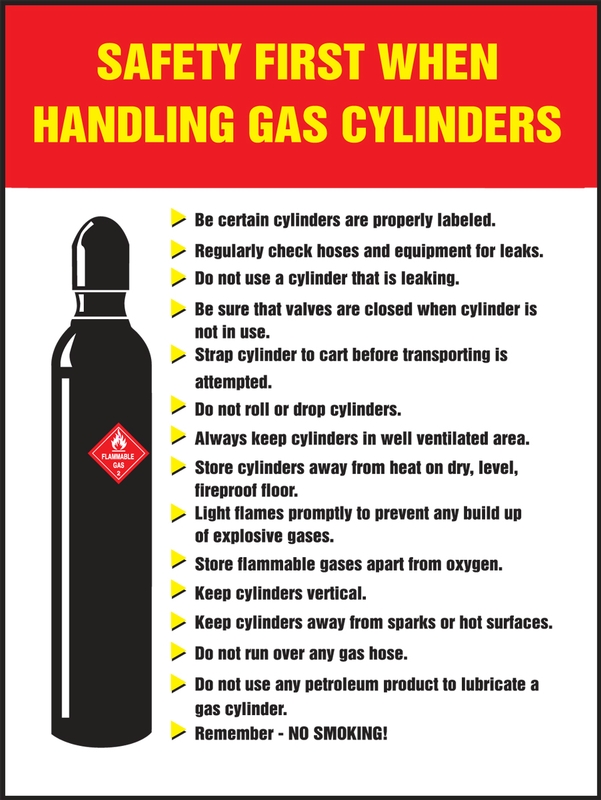
- LPG odor is designed to be detected at 1/5th of the lower explosive limit
- Means you smell gas long before it becomes dangerous
This is an international safety standard.
What Happens If Odor Is Not Added?
If LPG had no added smell:
- Gas leaks would go unnoticed
- Explosions would occur suddenly
- Sleeping people would not wake up
- Accidents would increase massively
Historically, many gas accidents happened before odorization became mandatory.
Why Does LPG Smell Stronger Sometimes?
Several reasons:
1️⃣ High Concentration
Large leak = stronger smell
2️⃣ Confined Space
Closed kitchen or room traps gas
3️⃣ Old Rubber Pipes
Gas absorbs smell and releases it slowly
4️⃣ Regulator Issues
Improper flow may release odorant unevenly
5️⃣ New Cylinder
Fresh cylinders sometimes smell stronger due to concentrated odorant.
Can LPG Smell Without a Leak?
Yes, sometimes:
- During cylinder change
- When stove burners are dirty
- When regulator is briefly disconnected
- When gas flow is irregular
👉 But never ignore the smell.
Is LPG Smell Harmful?
The smell itself:
- ❌ Not poisonous
- ❌ Not harmful in small exposure
But the gas:
- ✔ Highly flammable
- ✔ Can cause suffocation
- ✔ Can lead to explosion
So the smell is a warning, not the danger itself.
What Should You Do If You Smell LPG?
Immediate Steps:
- Do not light matches or switches
- Turn off the gas regulator
- Open doors and windows
- Do not use electrical appliances
- Move people outside if smell is strong
- Call gas service provider
Why Doesn’t LPG Smell While Cooking?
- Gas burns completely
- Odorant gets destroyed in flame
- No unburnt gas remains
Hence, no smell during normal usage.
LPG Smell vs Natural Gas Smell
| Feature | LPG | Natural Gas |
|---|---|---|
| Natural Smell | Odorless | Odorless |
| Odor Added | Yes | Yes |
| Common Odorant | Ethyl mercaptan | Mercaptans |
| Purpose | Leak detection | Leak detection |
Scientific Summary
- LPG is odorless by nature
- Smell is artificially added
- Odorant is ethyl mercaptan
- Purpose is human safety
- Smell acts as an early warning system
Frequently Asked Questions (FAQs) on LPG Gas Smell
FAQ 1: Does LPG have any smell naturally?
No. LPG is completely odorless by nature. The smell is added artificially for safety purposes.
FAQ 2: What chemical is added to LPG to make it smell?
A chemical called ethyl mercaptan (ethanethiol) is added to LPG to produce a strong, unpleasant smell.
FAQ 3: Why is the LPG smell similar to rotten eggs?
Ethyl mercaptan contains sulfur compounds, which produce a smell similar to rotten eggs or cabbage. This makes leaks easily detectable.
FAQ 4: Is LPG smell harmful to health?
The smell itself is not harmful, but inhaling LPG gas in high concentration can cause suffocation, dizziness, or explosion risk.
FAQ 5: Why does LPG smell stronger at night?
At night:
- Doors and windows are closed
- Air circulation is low
So gas accumulates easily, making the smell more intense.
FAQ 6: Can LPG smell occur without a leak?
Yes, temporarily:
- During cylinder replacement
- When regulator is fitted improperly
- Due to old rubber pipes
But persistent smell always indicates a leak.
FAQ 7: Why doesn’t LPG smell while cooking?
During proper combustion:
- Gas burns completely
- Odorant is destroyed by flame
So no smell is produced.
FAQ 8: Is LPG smell added worldwide?
Yes. Adding odorant to LPG is mandatory worldwide as per international safety standards.
Final Conclusion
Although LPG has no natural smell, it is intentionally given a strong, unpleasant odor to protect human life and property. This smell is not a defect, impurity, or contamination — it is a critical safety feature.
If LPG did not smell, it would be far more dangerous than it already is.
