
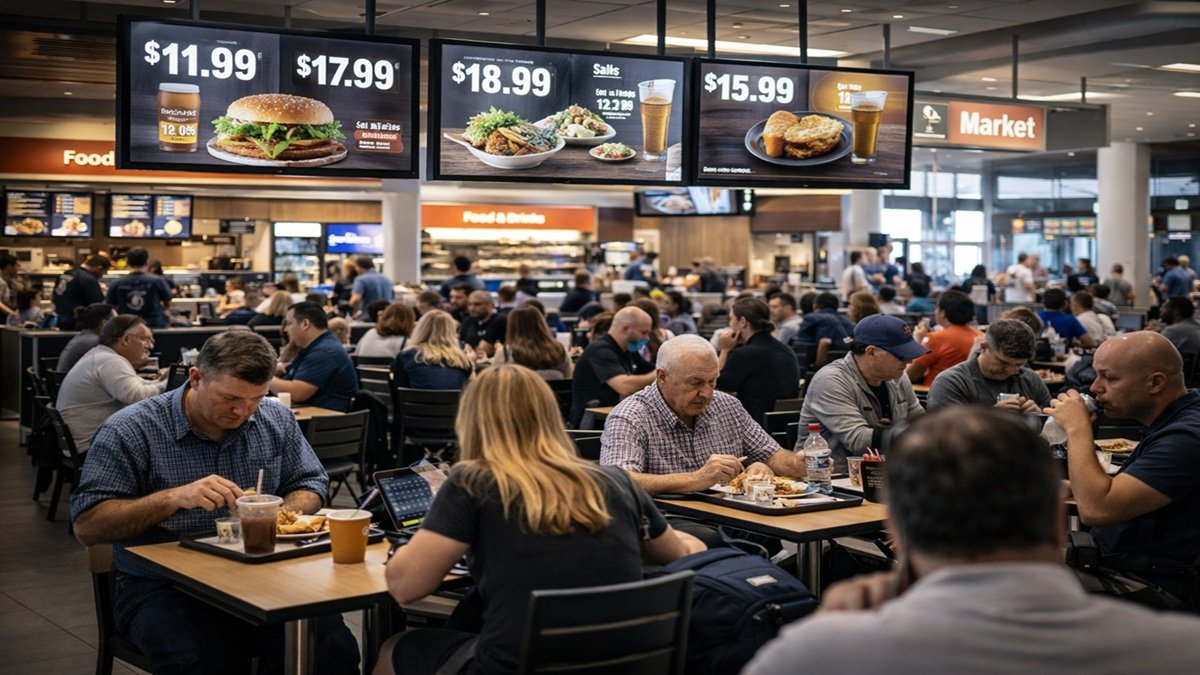
Why Food Is Costly at Airports: Real Reasons Behind High Prices
If you have ever bought a sandwich, coffee, or full meal at an airport, you probably noticed one thing immediately — airport food is expensive. A simple snack that costs ₹50–₹100 outside can cost two to three times more inside an airport.
This is not random pricing. There are clear economic, operational, and regulatory reasons why food at airports costs more. This article explains those reasons in simple language, with real-world logic, making it ideal for readers, students, and competitive exam aspirants.
Limited Competition Inside Airports
Airports are restricted commercial zones. Unlike city markets where hundreds of restaurants compete, airports allow only a limited number of food outlets.
Because:
- Space is limited
- Entry is controlled by airport authorities
- Licenses are expensive
Fewer sellers mean less competition, and less competition allows vendors to charge higher prices.
High Rent Charged by Airport Authorities
One of the biggest reasons behind costly airport food is extremely high rental costs.
Airport operators charge:
- Premium rent per square foot
- Revenue-sharing fees (a percentage of total sales)
- Long-term concession charges
Food outlets recover these costs by increasing menu prices.
Security and Compliance Costs
Running a restaurant at an airport is not like running one on a street.
Additional costs include:
- Security background checks for staff
- Restricted access passes
- Security-approved supply chains
- Regular safety audits
All these increase operational expenses, which are passed on to customers.
Higher Operating and Staffing Expenses
Airport food outlets operate:
- 18–24 hours a day
- On shifts, including nights and holidays
This leads to:
- Higher wages
- Overtime payments
- Additional staff for peak hours
Maintaining service quality in such conditions costs more.
Logistics and Supply Chain Challenges
Delivering food supplies to airports is complex.
Suppliers must:
- Pass security screening
- Follow strict delivery time windows
- Use approved vehicles and vendors
Delays or rejections increase wastage and logistics costs, which raises food prices.
Captive Customer Effect
Airports have a captive audience.
Passengers:
- Cannot leave the airport after security
- Have limited food choices
- Often have time constraints
Vendors know travelers prioritize convenience over price, allowing them to charge a premium.
International Standards and Branding Costs
Many airport restaurants are:
- International brands
- Premium cafés and lounges
These brands maintain:
- Uniform global quality
- Premium ingredients
- Trained staff and branding standards
Brand value itself adds to the cost of food.
Taxes, Fees, and Service Charges
Airport food prices often include:
- Higher GST slabs
- Airport service charges
- Maintenance and utility costs
Even bottled water becomes expensive due to added airport-level taxes and handling fees.
Why Airport Food Prices Feel More Noticeable
Airport food feels costlier because:
- Prices outside are easily comparable
- Travelers are already spending on tickets
- Stress and urgency amplify price sensitivity
Psychologically, people expect food prices to be similar everywhere — but airports are not normal markets.
Is Airport Food Pricing Regulated?
In some countries and airports:
- Authorities cap prices for essential items like water
- Menus are monitored for unreasonable pricing
However, most airports still operate on commercial freedom, allowing vendors to decide prices.
How Travelers Can Save Money at Airports
Practical tips:
- Eat before entering the airport
- Carry homemade snacks where allowed
- Use airport lounges (often free with cards)
- Compare prices across terminals
Small planning can save a significant amount.
Conclusion
Food is costly at airports due to high rent, security costs, limited competition, logistics challenges, and captive demand. While it may feel unfair, these prices reflect the unique ecosystem airports operate in.
Understanding the reasons helps travelers make better decisions and avoid unnecessary spending.
