Harshvardhan Mishra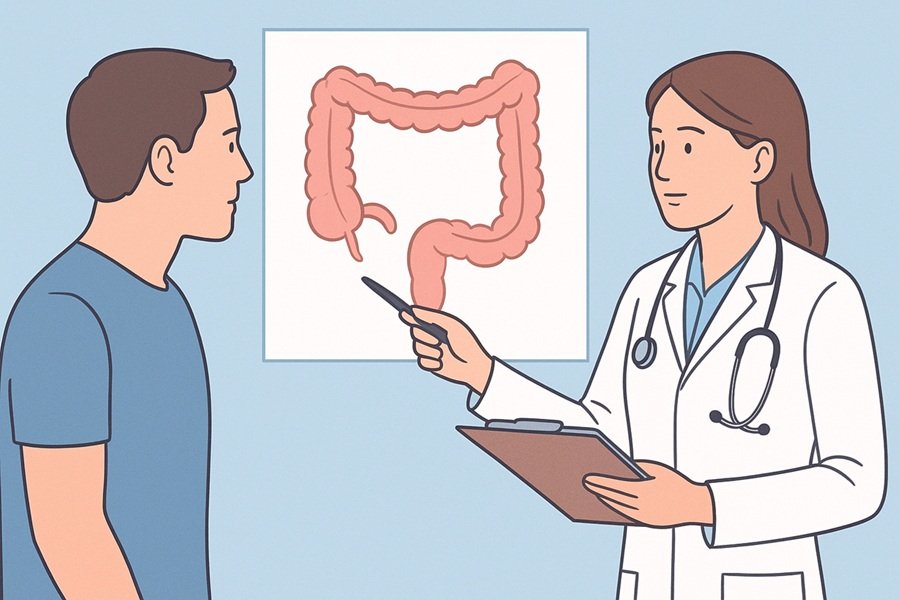
Introduction
Anal health is an important yet often overlooked aspect of personal well-being. Proper hygiene, care, and awareness can prevent discomfort, infections, and long-term complications. Understanding how this area functions and how to maintain it through healthy habits is crucial for digestive wellness and overall hygiene.
This guide provides medically informed insights into anal hygiene, preventive care, and safety tips — aimed at improving comfort and minimizing risks associated with poor practices or neglect.
Understanding Anal Anatomy
The anal area is the terminal part of the digestive system, responsible for the excretion of waste. It contains delicate tissues, muscles (sphincters), and sensitive nerve endings that aid in bowel control. Because of this sensitivity, the region requires gentle handling, proper cleanliness, and awareness to prevent injuries or irritation.
Common Anal Health Issues
Several health concerns can arise due to improper hygiene or underlying medical conditions, including:
- Anal Fissures: Small tears in the lining due to constipation or strain.
- Hemorrhoids (Piles): Swollen veins around the anus, often caused by prolonged sitting or straining during bowel movements.
- Infections: Caused by bacterial or fungal imbalance due to poor cleaning habits.
- Irritation and Itching: Often linked to excessive moisture, sweat, or harsh soaps.
- Incontinence or Leakage: In rare cases, due to weakened muscles or nerve issues.
Understanding these conditions helps encourage preventive habits and early medical consultation if discomfort persists.
Essential Hygiene Practices
Maintaining hygiene in this area requires gentle yet consistent care:
- Clean Gently After Bowel Movements
- Use mild, fragrance-free wipes or lukewarm water.
- Avoid harsh soaps or alcohol-based cleansers.
- Dry Properly
- Pat dry with a soft towel or tissue — avoid rubbing.
- Keeping the area dry prevents fungal growth and irritation.
- Wear Breathable Fabrics
- Cotton underwear allows airflow and reduces sweat accumulation.
- Hydrate and Eat Fiber-Rich Foods
- Prevent constipation by eating whole grains, fruits, and vegetables.
- Drink plenty of water daily to maintain smooth bowel movements.
- Avoid Prolonged Sitting
- Sitting for long periods increases pressure on rectal veins.
- Use cushions or take short walking breaks.
Safety and Preventive Care
To maintain optimal anal health:
- Practice gentle cleaning routines. Over-cleaning can strip natural oils and cause dryness.
- Avoid tight clothing that traps moisture and increases friction.
- Consult a doctor if you notice bleeding, persistent pain, or discharge.
- Use only doctor-recommended ointments or creams for irritation or hemorrhoids.
- Get routine medical check-ups if you experience chronic constipation, diarrhea, or bowel irregularities.
When to Seek Medical Help
If you notice the following symptoms, it’s important to consult a healthcare professional promptly:
- Persistent pain, swelling, or bleeding
- Changes in bowel patterns
- Unusual lumps or discharge
- Unexplained weight loss or fatigue (could indicate deeper digestive issues)
Early diagnosis helps prevent complications and ensures timely treatment.
Expert Medical Disclaimer
Disclaimer:
This article is intended for general health education and awareness. It does not substitute professional medical diagnosis, advice, or treatment. Always consult a qualified healthcare provider or gastroenterologist for personalized guidance regarding anal or digestive health concerns.